





































The crypto market has entered a new and transformative phase as the ETF boom continues, reshaping the way institutional and retail investors gain exposure to digital assets. What began with the long-awaited approval of Bitcoin ETFs quickly expanded into Ethereum products, and from there into a wave of filings and launches tied to prominent altcoins. Among these, XRP ETFs and the growing momentum behind DOGE ETF products have captured global attention. Their arrival has signaled something far bigger than isolated wins for individual cryptocurrencies. It has opened the door to a new frontier: a world where major altcoins can achieve mainstream legitimacy through regulated exchange-traded funds.
In this evolving landscape, one question has become louder and more persistent than ever: which altcoin is next after XRP and DOGE in the ETF race? The answer many analysts, institutions, and long-term crypto observers point to is Solana (SOL). With its rapidly expanding ecosystem, strong institutional presence, powerful technology, and increasing regulatory recognition, Solana appears positioned as the most probable candidate to seize the spotlight in the next round of ETF approvals. Exploring why requires a deeper look into the broader movement reshaping digital asset investing.
The Emergence of Crypto ETFs and the Expansion Beyond Bitcoin
When Bitcoin ETFs were finally approved, they marked a historic turning point for the entire digital asset industry. Years of legal battles, regulatory uncertainty, and institutional hesitation gave way to unprecedented inflows of capital from brokerage accounts, retirement portfolios, global wealth managers, and investment funds seeking compliant exposure to the world’s most well-known digital asset. Ethereum ETFs followed shortly after, confirming that crypto’s integration into the regulated investment framework was not merely experimental but inevitable.
The impact of these approvals did not stop with the top two cryptocurrencies. They created a new benchmark for legitimacy, making it clear that digital assets could operate within the most heavily regulated financial structures. As the ETF boom continued, attention shifted from Bitcoin and Ethereum to a broader set of cryptocurrencies. Suddenly, the possibility of additional altcoin ETFs was not theoretical. It became a realistic expectation.
This transition marked the beginning of a new era. Investors began looking at which altcoins had the maturity, liquidity, regulatory clarity, and institutional demand to warrant consideration for ETF conversion. The initial answers arrived more quickly than most expected.
How XRP Became a Catalyst in the Altcoin ETF Era
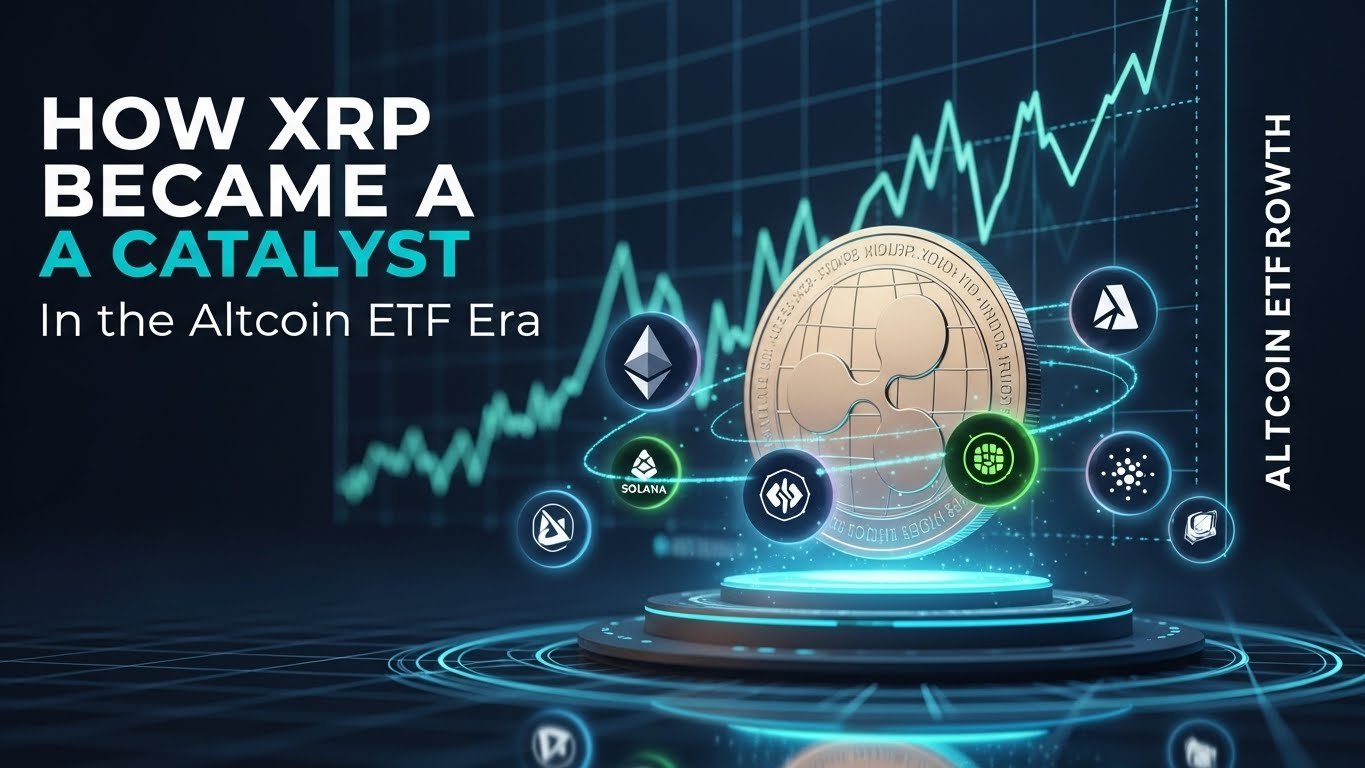
XRP’s path toward ETF recognition was particularly significant because of the regulatory challenges surrounding the asset in previous years. Its long-running legal battle created a cloud of uncertainty that discouraged institutional involvement. However, as clarity improved and the market matured, interest in XRP rekindled. The debut of XRP ETFs across multiple markets served as a signal that once-controversial or uncertain assets could still achieve mainstream acceptance when backed by strong technological fundamentals and legal clarity.
XRP’s transition from courtroom debates to ETF listings showed that regulators could adapt their stance as markets evolved. It also reinforced the idea that the crypto industry is not static; developments once thought unlikely can quickly become reality as connected ecosystems and investor interest grow. In many ways, XRP’s success validated the possibility that other major altcoins could follow the same route.
DOGE’s Rise From Meme Coin to ETF Candidate
The story of Dogecoin (DOGE) becoming a potential ETF-linked asset is equally remarkable. Once created as a humorous experiment, DOGE’s loyal community, celebrity endorsements, network resilience, and outsized cultural influence pushed it into mainstream visibility. Over time, institutional vehicles began forming around it, including trusts and derivative products. Speculation around a dedicated DOGE ETF intensified as these developments took hold.
What makes DOGE particularly interesting in the ETF conversation is not just its popularity but its ability to maintain consistent demand and liquidity. For many casual investors, Dogecoin acts as an accessible introduction to digital assets. For institutions, its broad name recognition and active trading volume make it fundamentally viable as an ETF candidate. As DOGE gained traction in regulated circles, it helped expand the range of assets considered suitable for ETF packaging, effectively widening the gate for other altcoins to follow.
With both XRP and DOGE breaking new ground, the market naturally turned its gaze to the next contender, and all signs point to Solana.
Why Solana Is Emerging as the Leading Candidate for the Next Altcoin ETF
Solana stands at the intersection of technology, adoption, liquidity, and institutional interest, making it one of the strongest potential successors to XRP and DOGE in the ETF wave. Its architectural design is purpose-built for speed, scalability, and efficiency. Solana’s blockchain is capable of handling thousands of transactions per second with minimal fees, creating an environment ideal for decentralized finance, high-volume trading, interactive gaming, and NFT ecosystems. This technological strength alone places SOL ahead of many altcoins in terms of real-world utility.
However, Solana’s appeal extends far beyond technical performance. Institutional interest in SOL has grown consistently, with several major asset managers seeking to launch Solana-based or Solana-linked products. ETF issuers often look for assets that demonstrate resilience, real adoption, and a strong community, and Solana checks all of these boxes. Its network continues to attract developers, applications, and liquidity at a rapid pace, making it a natural fit for expansion into regulated investment channels.
The presence of Solana futures contracts on leading derivatives exchanges has further strengthened its case. Regulators often view established futures markets as a critical foundation for approving spot ETFs. As Solana futures gain adoption, they create a regulatory pathway similar to the one followed by Bitcoin, Ethereum, and now XRP. This convergence of technological capability, institutional demand, and regulatory milestones puts Solana on a trajectory that strongly mirrors the assets that have already received ETF recognition.
Solana’s Expanding Ecosystem and Its Role in ETF Readiness
One of the most compelling arguments for Solana as the next altcoin in line for ETF approval is the depth and diversity of its ecosystem. Solana’s network supports a vast array of decentralized finance protocols, lending markets, automated market makers, decentralized exchanges, NFT marketplaces, and innovative Web3 applications. Developers choose Solana not only for its speed but for its consistency and predictability, which are essential for applications handling real-time interactions and large transaction volumes.
A thriving ecosystem creates fundamental value that extends far beyond speculative trading. It demonstrates long-term viability, encourages institutional research coverage, drives on-chain activity, and builds user confidence. For ETF issuers and regulators, an asset with a robust and growing ecosystem presents less risk than one heavily reliant on speculative cycles. Solana’s ecosystem strength is therefore a foundational element of its potential ETF trajectory.
At the same time, Solana has become a preferred platform for many emerging projects in gaming, artificial intelligence integrations, tokenized assets, and digital identity frameworks. This diversified growth gives SOL a unique cross-sector relevance that few altcoins possess, further reinforcing its candidacy for ETF conversion as the ETF boom continues to broaden the range of supported assets.
The Potential Impact of a Solana ETF on the Crypto Market
The introduction of a Solana ETF would have far-reaching implications for both the asset itself and the broader crypto market. One of the most immediate effects would likely be increased liquidity. ETFs typically attract significant inflows from institutional portfolios that are unable or unwilling to hold cryptocurrencies directly but are comfortable with regulated financial products. This influx of capital would deepen liquidity on both the ETF and spot markets, strengthening price discovery mechanisms.
Beyond liquidity, a Solana ETF could dramatically reshape narrative momentum. Investors often follow thematic shifts, and the approval of a Solana ETF would validate the broader idea of “blue chip altcoin ETFs” as a new class of mainstream investment. Assets like Cardano, Polkadot, Avalanche, Chainlink, and others could see renewed interest as potential future ETF candidates. This ripple effect would create new cycles of research, speculation, and innovation across the crypto ecosystem.
For Solana itself, a dedicated ETF would be a milestone in its maturation. It would transform SOL from a primarily crypto-native asset into an accessible investment vehicle for traditional financial markets. With increased visibility and regulatory legitimacy, Solana could experience strengthened long-term adoption and greater integration into cross-market investment strategies, potentially elevating its status to a core component of diversified digital asset portfolios.
Risks and Challenges That Could Affect Solana’s ETF Prospects
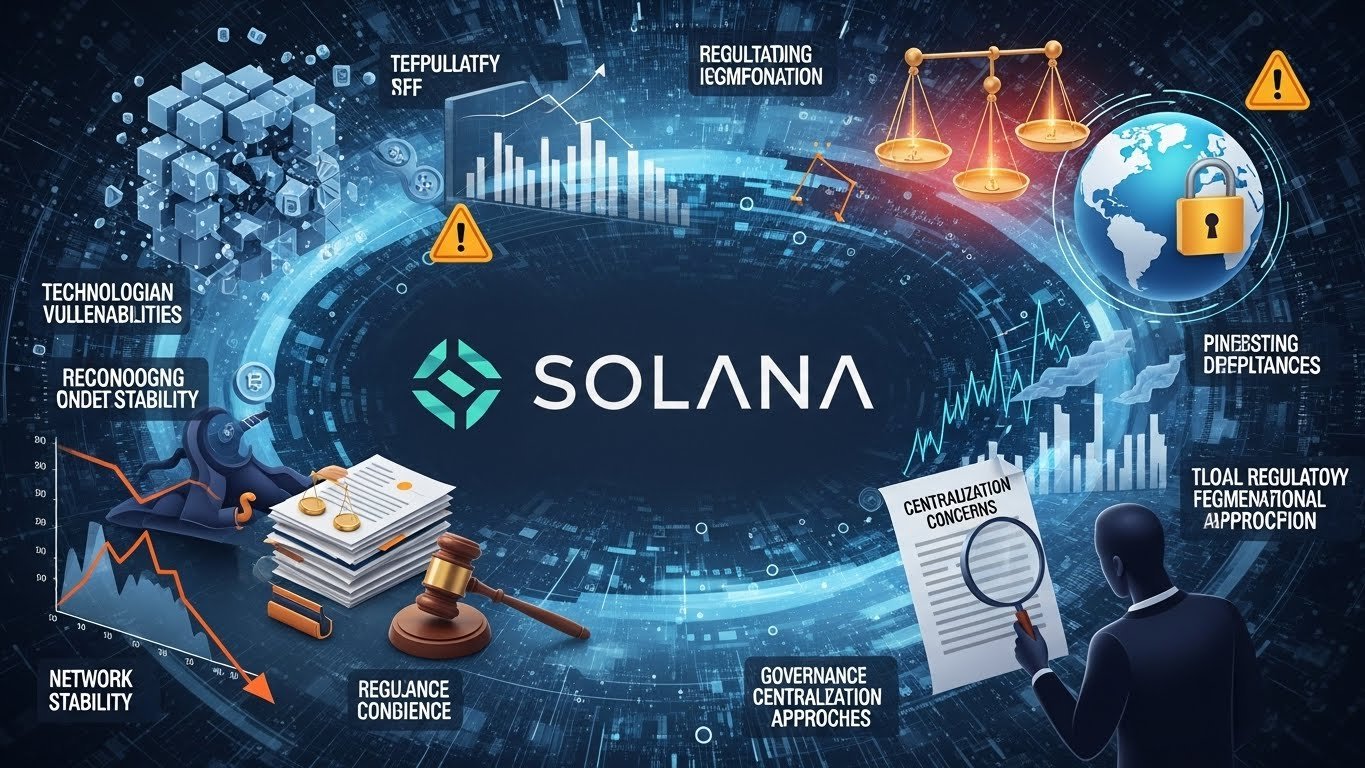
While Solana appears to be the strongest contender to follow XRP and DOGE, it is important to recognize that no ETF approval is guaranteed. Regulatory caution remains high, and decision timelines can shift due to political, market, or legal factors. The crypto market continues to undergo scrutiny, and sudden changes in regulatory posture could delay or complicate ETF pathways for any altcoin.
Market volatility is another key factor. Dramatic price fluctuations in Bitcoin, Ethereum, or major altcoins can create hesitation among regulators and institutional issuers. If the broader crypto market experiences a significant downturn, ETF momentum could temporarily slow, affecting the timing of Solana-related decisions. Additionally, macroeconomic conditions such as interest rate shifts or liquidity tightening could reduce investor appetite for risk-aligned assets in the short term.
Institutionally, ETF issuers may prioritize assets with more extensive derivatives markets or longer trading histories. Although Solana is making rapid progress in these areas, the timeline for approvals may still depend on regulatory comfort and futures market performance. These risks do not diminish Solana’s long-term potential but highlight the importance of understanding the complexity behind ETF approvals.
What Investors Should Watch as the ETF Boom Continues
Investors and enthusiasts anticipating the next altcoin ETF after XRP and DOGE should pay close attention to regulatory announcements, derivatives market developments, issuer filings, and Solana ecosystem metrics. Shifts in any of these areas can provide early indications of momentum. In particular, Futures trading volumes, updated ETF filings, and ecosystem expansion are meaningful signals that Solana’s ETF readiness is moving forward.
Another key factor to watch is the performance and adoption rate of existing altcoin ETFs, particularly those tied to XRP and DOGE. Strong trading activity and stable inflows into these products would validate the commercial demand for altcoin ETFs, increasing the likelihood that regulators and issuers will continue expanding offerings into assets like Solana.
Conclusion
The current trajectory of the crypto market makes one reality undeniable: the ETF boom continues, and with it, a new era of altcoin legitimacy is emerging. XRP and DOGE have already opened the door, proving that major altcoins can achieve recognition in regulated investment products. Their success sets the stage for the next wave of high-potential assets, and among them, Solana stands out with exceptional clarity.
Solana’s powerful technology, rapidly expanding ecosystem, growing institutional interest, and evolving derivatives infrastructure create a compelling case for its position as the next altcoin ETF candidate. While regulatory uncertainties and market risks remain, the long-term direction of crypto ETFs clearly points toward broader inclusion of leading altcoins. Whether approved in the near future or further down the road, Solana is poised to play a defining role in this next chapter.
As the intersection between traditional finance and digital assets deepens, and as the ETF boom continues reshaping investment norms, Solana appears to be the strongest contender to follow XRP and DOGE on the global ETF stage.