





































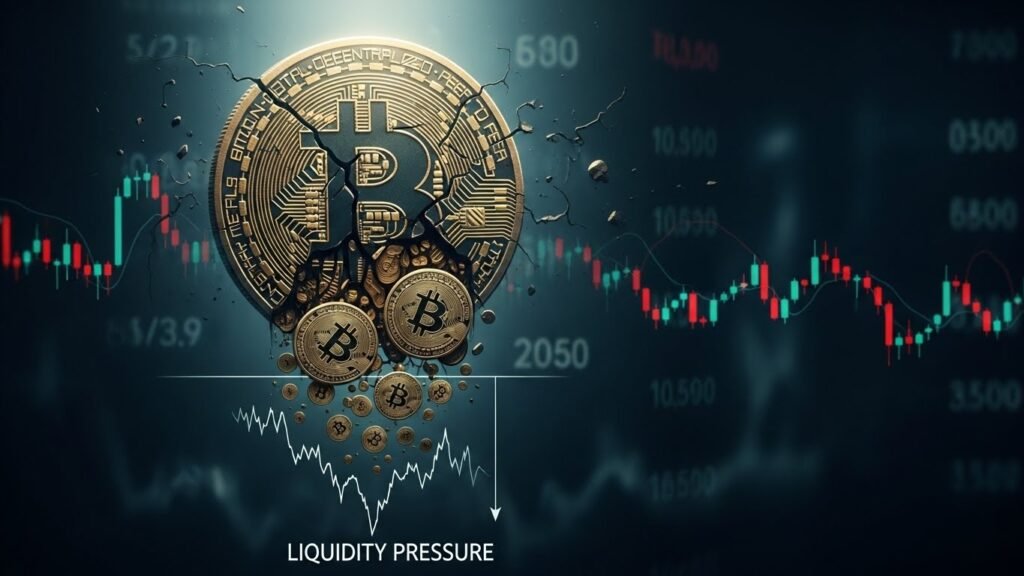
Bitcoin is once again at a critical crossroads as signs of liquidity pressure intensify across the market. After months of relatively stable accumulation and reduced on-chain activity, a notable trend has emerged: long-held Bitcoin, often described as dormant or “sleeping” supply, is beginning to move. These older coins, which have remained untouched for years, are reentering circulation at a time when market depth and liquidity remain fragile. This development has sparked renewed debate among investors, analysts, and traders about whether Bitcoin is facing a structural shift in supply dynamics or simply experiencing a temporary redistribution of capital.
The reemergence of long-held coins is particularly significant because Bitcoin’s valuation is heavily influenced by supply behavior. When coins that have not moved for extended periods suddenly become active, it often signals a change in sentiment among long-term holders. These participants are typically considered the most conviction-driven cohort in the market. Their decision to move coins can reflect profit-taking, risk management, or anticipation of macroeconomic and market shifts. Combined with declining spot liquidity on exchanges and cautious institutional positioning, this trend has placed Bitcoin under renewed pressure.
This article explores why Bitcoin faces liquidity pressure as long-held coins reemerge, examining the on-chain signals behind this movement, the broader macroeconomic context, and what it means for Bitcoin’s short- and long-term outlook. By analyzing historical patterns, investor behavior, and market structure, we can better understand whether this phase represents a bearish warning sign or a necessary reset in Bitcoin’s ongoing market cycle.
Bitcoin Liquidity Pressure in the Current Market
What Liquidity Pressure Means for Bitcoin
Liquidity pressure in Bitcoin markets refers to a situation where available buying and selling depth is insufficient to absorb large transactions without causing significant price movement. In practical terms, this means that even moderate inflows of selling pressure can push prices lower, while strong buying demand can trigger sharp rallies. Liquidity is shaped by exchange order books, market maker participation, and the willingness of investors to transact at prevailing prices.
In recent months, Bitcoin liquidity has shown signs of strain. Spot trading volumes have declined compared to previous bull market peaks, and derivatives markets are increasingly driving price discovery. This environment makes Bitcoin more sensitive to changes in supply, especially when large batches of coins suddenly become active. The return of long-held coins into circulation adds another layer of complexity, as it increases the effective supply available to the market at a time when demand growth is uneven.
The concern is not simply that more Bitcoin is moving, but that it is moving in a market that lacks the depth to absorb it smoothly. This combination is what amplifies Bitcoin liquidity pressure and raises the risk of heightened volatility.
Why Liquidity Matters More Than Ever
Liquidity has always been important for Bitcoin, but it has become even more critical as the asset has matured and attracted institutional interest. Large investors require stable markets with predictable execution costs. When liquidity thins, these participants often reduce exposure or hedge aggressively, which can further dampen market conditions.
At the same time, retail investors are highly sensitive to price swings. Sudden drops caused by liquidity gaps can trigger panic selling, while sharp rallies can lead to overleveraged positioning. The reactivation of long-held coins in this environment therefore has an outsized psychological and structural impact, reinforcing the narrative that Bitcoin is navigating a delicate phase.
The Significance of Long-Held Coins Reentering Circulation
What Are Long-Held or Dormant Bitcoins?
Long-held Bitcoins are coins that have not moved on-chain for an extended period, often defined as several years. These coins are typically associated with early adopters, long-term investors, or entities with strong conviction in Bitcoin’s long-term value proposition. Because they remain inactive through multiple market cycles, they are often considered “illiquid supply.”
When these coins begin to move, it does not always mean they are being sold immediately. However, their activation alone signals a change in behavior. On-chain analysts closely track metrics such as coin age, dormancy, and realized capitalization to assess whether older supply is becoming more active.
The reemergence of these coins is significant because it challenges the assumption that a large portion of Bitcoin’s supply is permanently locked away. Even a small percentage of dormant supply becoming liquid can materially alter market dynamics.
Historical Context: What Past Cycles Tell Us
Historically, periods when long-held coins reemerge have often coincided with major market transitions. In previous bull market peaks, older coins tended to move as early holders took profits. Conversely, during deep bear markets, some dormant coins also became active, often due to capitulation or external pressures.
What makes the current situation unique is the broader context. Bitcoin is now a globally recognized asset, influenced by macroeconomic factors such as interest rates, inflation expectations, and geopolitical uncertainty. The movement of long-held coins in this environment suggests a more nuanced motivation than simple profit-taking. It may reflect portfolio rebalancing, regulatory considerations, or strategic repositioning ahead of potential market shifts.
On-Chain Data Signals Behind the Liquidity Shift
Rising Dormancy and Coin Days Destroyed Metrics
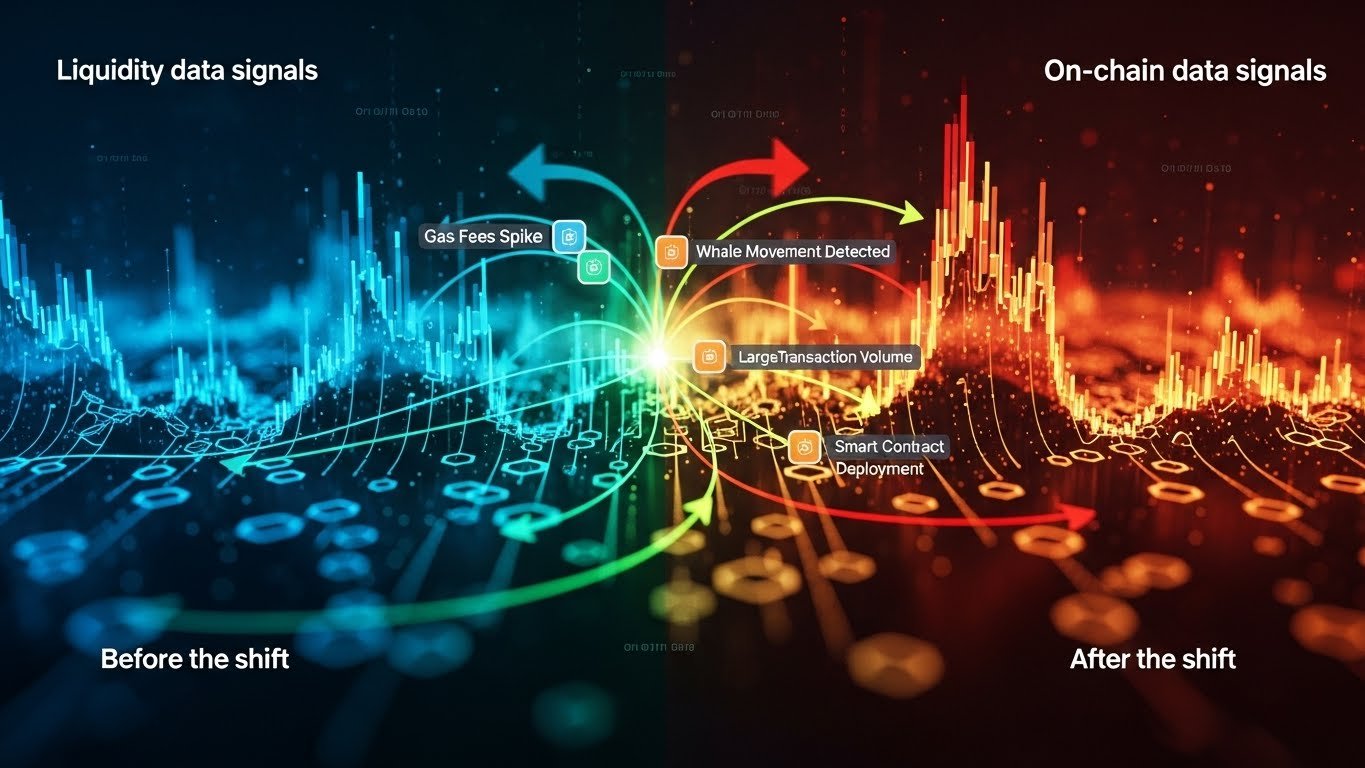
On-chain metrics provide valuable insight into the behavior of Bitcoin holders. Indicators such as coin days destroyed, dormancy flow, and spent output age bands reveal when older coins are being spent. Recent data shows an uptick in these metrics, indicating that coins held for multiple years are starting to move more frequently.
This trend does not automatically imply bearish intent, but it does suggest increased activity from long-term holders. When combined with relatively muted new demand, it can contribute to liquidity pressure by increasing the available supply on exchanges or through over-the-counter channels.
Analysts often interpret rising dormancy as a sign that the market is transitioning from accumulation to distribution. Whether this distribution leads to sustained selling or simply a reshuffling of ownership depends on broader demand conditions.
Exchange Flows and Market Depth
Another critical signal comes from exchange flows. While overall Bitcoin exchange balances remain lower than historical highs, short-term spikes in inflows have been observed during periods of heightened volatility. These inflows often coincide with movements from older wallets, suggesting that some long-held coins are making their way toward potential liquidity venues.
At the same time, order book depth on major exchanges has not fully recovered to levels seen during peak bull markets. This imbalance means that even modest increases in sell-side pressure can have an exaggerated impact on price. The interaction between reactivated supply and shallow liquidity is a key factor behind Bitcoin’s current vulnerability.
Macro and Institutional Factors Amplifying Liquidity Pressure
Interest Rates, Risk Appetite, and Bitcoin
Macroeconomic conditions play a crucial role in shaping Bitcoin liquidity. Elevated interest rates and tighter financial conditions reduce overall risk appetite, making investors more selective about capital deployment. In such an environment, assets like Bitcoin, which do not generate yield, face stiffer competition for investment flows.
When long-held coins reemerge during periods of macro uncertainty, it can signal that some investors are prioritizing liquidity and capital preservation. This behavior reinforces downward pressure, especially if new inflows are insufficient to offset the increased supply.
Institutional Positioning and Market Structure
Institutional investors have become an integral part of the Bitcoin ecosystem, particularly through spot and derivatives markets. However, institutions tend to be highly sensitive to liquidity conditions. If market depth is insufficient, they may reduce exposure or rely more heavily on derivatives, which can distort price discovery.
The reactivation of long-held coins adds complexity to institutional decision-making. While some institutions may view increased supply as an opportunity to accumulate at better prices, others may interpret it as a sign of distribution and adopt a more cautious stance. This divergence in behavior can contribute to choppy, range-bound price action.
Implications for Bitcoin Price and Market Sentiment
Short-Term Volatility Risks
In the short term, the combination of reemerging long-held coins and thin liquidity raises the risk of heightened volatility. Price swings may become more pronounced as the market struggles to absorb changes in supply. Traders should be aware that sudden moves may not always reflect fundamental shifts but rather liquidity-driven dynamics.
Market sentiment during such periods often becomes fragile. Negative headlines can have an outsized impact, while positive developments may struggle to gain traction unless accompanied by strong volume and conviction.
Long-Term Perspective: Redistribution or Structural Change?
From a long-term perspective, the movement of long-held coins is not inherently negative. In many cases, it represents a healthy redistribution of supply from early holders to new participants. This process can ultimately strengthen the network by broadening ownership and increasing liquidity over time.
The key question is whether current demand can keep pace with this redistribution. If new capital enters the market and absorbs the reactivated supply, Bitcoin may emerge from this phase with a more balanced and resilient market structure. If not, prolonged liquidity pressure could weigh on prices and delay the next sustained uptrend.
How Investors Can Interpret the Reemergence of Long-Held Coins

Avoiding Overreaction to On-Chain Signals
While on-chain data provides valuable insights, it should not be interpreted in isolation. The movement of long-held coins does not guarantee imminent selling, nor does it automatically signal a market top. Investors should consider broader context, including macro conditions, technical structure, and sentiment indicators.
A measured approach involves recognizing the potential risks associated with liquidity pressure while avoiding emotional decision-making. History shows that Bitcoin has repeatedly navigated similar phases, often emerging stronger after periods of uncertainty.
Strategic Considerations in a Liquidity-Constrained Market
For long-term investors, periods of liquidity pressure can present opportunities as well as risks. Price dislocations caused by thin liquidity may offer attractive entry points for those with conviction in Bitcoin’s long-term fundamentals. However, position sizing and risk management become especially important in volatile conditions.
Short-term traders, on the other hand, should be mindful of increased whipsaw risk. In liquidity-constrained markets, traditional support and resistance levels may be less reliable, and sudden moves can occur without clear catalysts.
The Broader Narrative: Bitcoin’s Maturing Market Cycle
Supply Dynamics in a Post-Halving Environment
Bitcoin’s fixed supply and halving mechanism play a central role in shaping long-term price dynamics. As block rewards continue to decline over time, the influence of existing supply becomes more pronounced. The behavior of long-term holders is therefore increasingly important in determining market trends.
The reemergence of long-held coins may be part of a broader adjustment as the market adapts to new supply realities. Rather than viewing it solely as a bearish signal, it can be seen as evidence of a maturing asset class where capital flows respond dynamically to changing conditions.
Resilience Through Transparency
One of Bitcoin’s unique strengths is the transparency of its blockchain. While the movement of dormant coins can create short-term anxiety, it also provides valuable information that helps market participants make informed decisions. Over time, this transparency contributes to more efficient price discovery and a deeper understanding of market behavior.
As Bitcoin continues to evolve, periods of liquidity pressure are likely to remain a feature rather than a flaw. The key is how the market responds and adapts to these challenges.
Conclusion
Bitcoin faces liquidity pressure as long-held coins reemerge, highlighting a critical phase in the asset’s ongoing evolution. The activation of dormant supply, combined with thin market depth and cautious macro conditions, has created an environment where price sensitivity is elevated. While this dynamic introduces short-term risks, it also reflects a natural process of redistribution and maturation within the Bitcoin ecosystem.
For investors, understanding the underlying drivers of this trend is essential. Rather than reacting solely to price movements or isolated metrics, a holistic view that considers on-chain data, macro factors, and market structure provides a more balanced perspective. Bitcoin has weathered similar challenges in the past, and its ability to adapt has been a defining characteristic.
As the market digests the reemergence of long-held coins, the coming months will be crucial in determining whether demand can absorb the increased supply. Regardless of the outcome, this phase underscores the importance of liquidity, conviction, and informed decision-making in navigating Bitcoin’s ever-changing landscape.
FAQs
Q: What does it mean when long-held Bitcoin coins reemerge?
When long-held coins reemerge, it means Bitcoin that has remained inactive for years is moving on-chain again. This often signals a change in behavior from long-term holders, which can influence supply dynamics and market sentiment.
Q: Does the movement of dormant coins mean Bitcoin will crash?
Not necessarily. While increased activity from older coins can add selling pressure, it does not automatically lead to a crash. Context matters, including demand levels, liquidity conditions, and broader market factors.
Q: Why is liquidity pressure important for Bitcoin’s price?
Liquidity pressure affects how easily the market can absorb buying and selling. In low-liquidity environments, even small changes in supply or demand can cause large price swings.
Q: Are long-term holders losing confidence in Bitcoin?
The movement of long-held coins does not always indicate a loss of confidence. It can reflect profit-taking, portfolio rebalancing, or strategic repositioning rather than a bearish outlook.
Q: How should investors respond to Bitcoin’s current liquidity pressure?
Investors should focus on risk management and avoid overreacting to short-term volatility. Understanding on-chain signals alongside macro and technical factors can help guide more informed decisions.