






































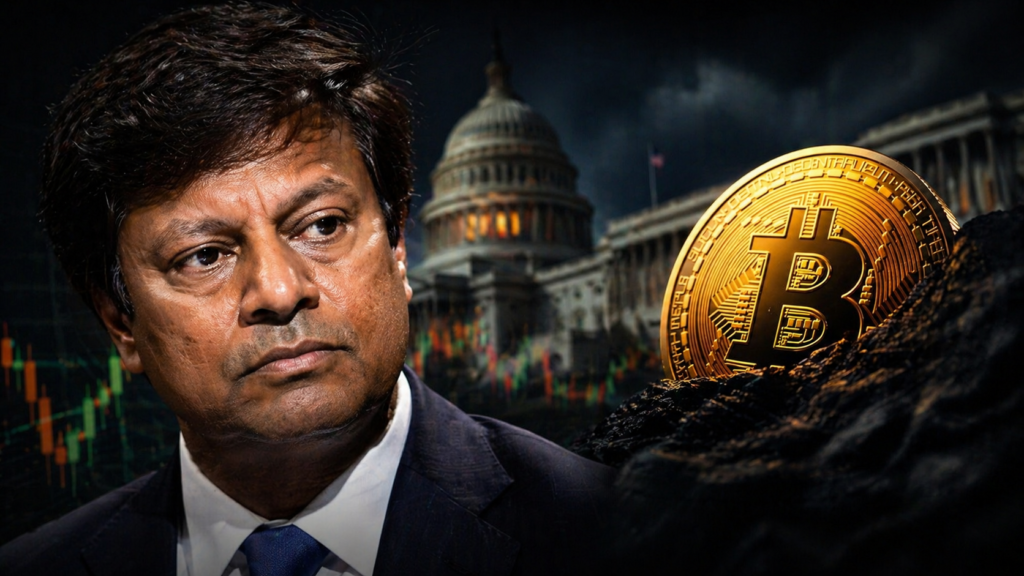
Fresh controversy has emerged around Shri Thanedar after reports indicated that he failed to disclose cryptocurrency holdings in his latest campaign finance filing. As a result, the issue is raising questions about transparency, compliance, and the growing role of digital assets in politics.
At a time when crypto regulation is tightening, omissions like these attract significant attention. Therefore, this case highlights the increasing intersection between cryptocurrency investments and political accountability.
What Happened in the Latest Filing
Missing Crypto Disclosures
According to recent reports, Thanedar’s campaign finance report did not include certain cryptocurrency holdings.
In general, U.S. lawmakers must disclose financial assets—including crypto—under transparency laws. However, the absence of these holdings in the filing has sparked scrutiny.
Not the First Disclosure Concern
Importantly, this is not the first time Thanedar has faced reporting issues.
Previous reports suggested he may have failed to disclose other financial transactions, raising compliance concerns.
As a result, critics argue that this pattern could indicate broader reporting inconsistencies.
Why Crypto Disclosure Matters in Politics
Transparency and Public Trust
Financial disclosures help ensure that elected officials remain accountable.
Specifically, they allow the public to identify:
- Potential conflicts of interest
- Investment biases
- Undue influence
Therefore, failing to report crypto holdings can undermine trust.
Crypto’s Growing Political Role
Cryptocurrency is becoming increasingly relevant in political finance.
For example:
- Lawmakers invest in digital assets
- Campaigns accept crypto donations
- Policy decisions impact crypto markets
Consequently, accurate reporting is more important than ever.
Legal and Regulatory Context
STOCK Act Requirements
Under the STOCK Act, members of Congress must disclose financial transactions and holdings.
This includes:
- Stocks
- Bonds
- Cryptocurrency
Therefore, omitting crypto assets—intentionally or unintentionally—can raise legal concerns.
Potential Consequences
If violations are confirmed, consequences may include:
- Ethics investigations
- Financial penalties
- Increased political scrutiny
However, intent and timing often play a key role in determining outcomes.
Market and Public Reaction
Increased Scrutiny on Crypto Holdings
This situation reflects a broader trend: regulators and the public are paying closer attention to how politicians engage with crypto.
Impact on Crypto Policy Debate
At the same time, incidents like this could influence:
- Future crypto regulation
- Disclosure requirements
- Public perception of crypto investments
As a result, policymakers may push for stricter reporting standards.
The Bigger Picture: Crypto and Political Accountability

A New Era of Financial Transparency
As digital assets become mainstream, governments must adapt.
Therefore, disclosure frameworks need to evolve alongside crypto adoption.
Challenges in Tracking Crypto Assets
Unlike traditional assets, cryptocurrencies can be:
- Easily transferred
- Stored across wallets
- Difficult to track without proper reporting
Consequently, enforcing transparency becomes more complex.
What Happens Next?
Possible Investigations
Regulatory bodies or ethics committees may review the case.
If discrepancies are confirmed, further action could follow.
Calls for Stronger Oversight
Meanwhile, experts may push for:
- Enhanced disclosure rules
- Real-time reporting requirements
- Improved monitoring systems
Conclusion
The controversy surrounding Shri Thanedar and his undisclosed crypto holdings underscores a critical issue in modern politics: the need for transparency in the digital asset era.
While the full details are still emerging, this case highlights how cryptocurrency is reshaping financial disclosure standards.
Ultimately, as crypto adoption grows, accountability mechanisms must evolve to ensure trust and integrity in public office.
FAQs
Q. Who is Shri Thanedar?
He is a U.S. Representative from Michigan.
Q. What is the issue with his finance report?
He reportedly did not disclose certain cryptocurrency holdings.
Q. Is crypto required in financial disclosures?
Yes, under laws like the STOCK Act.
Q. What could happen next?
Possible investigations or regulatory review.
Q. Why is this important?
It highlights transparency challenges as crypto becomes more common in politics.