









































Bitcoin limps into the new year at $87,000 carrying the weight of heightened expectations, sharp corrections, and a rapidly shifting macroeconomic environment. After reaching euphoric all-time highs earlier in the cycle, the world’s largest cryptocurrency has retreated roughly 30%, leaving investors divided between cautious optimism and lingering uncertainty. While a pullback of this magnitude is not unusual in Bitcoin’s history, its timing at the start of a new year gives it added symbolic significance. Markets often treat the new year as a psychological reset, a moment when narratives are reassessed and capital flows are repositioned.
The decline has sparked intense debate across the crypto ecosystem. Some view it as a healthy consolidation phase following an overheated rally, while others worry it could signal a longer period of stagnation or even a deeper correction. Bitcoin price volatility, institutional positioning, regulatory developments, and global monetary policy have all converged to shape this moment. Understanding why Bitcoin limps into the new year at $87,000 requires looking beyond the headline number and examining the broader forces at play.
This article explores the reasons behind Bitcoin’s 30% drop from all-time highs, the market psychology driving current price action, and what the coming months could mean for investors. By analyzing on-chain data, macro trends, and historical precedents, we can better contextualize where Bitcoin stands today and where it might head next.
Bitcoin’s Journey to $87,000: From Euphoria to Reality
The Rally That Set Expectations Sky-High
Before Bitcoin limps into the new year at $87,000, it enjoyed one of its most impressive rallies in recent memory. Fueled by renewed institutional interest, optimism around spot Bitcoin ETFs, and expectations of monetary easing, Bitcoin surged to record levels. The narrative at the peak was dominated by scarcity, long-term adoption, and Bitcoin’s role as digital gold in an era of persistent inflation and geopolitical uncertainty.
This rapid ascent, however, also created stretched valuations and speculative excess. Retail participation increased sharply, derivatives markets showed elevated leverage, and social sentiment turned overwhelmingly bullish. Historically, such conditions often precede corrections, as markets need to flush out excess risk before establishing a sustainable trend.
The Pullback and Its Immediate Triggers
The move down to $87,000 did not happen in isolation. Profit-taking by early investors, combined with tightening financial conditions and periodic regulatory headlines, contributed to downward pressure. As Bitcoin retreated from its highs, cascading liquidations in leveraged positions amplified the decline, reinforcing short-term bearish momentum.
When Bitcoin limps into the new year at $87,000, it reflects not just a loss of price but a recalibration of expectations. Markets are shifting from speculative enthusiasm toward a more measured assessment of fundamentals.
Macro Forces Shaping Bitcoin’s New Year Position
Interest Rates and Liquidity Conditions
Global monetary policy remains one of the most influential factors for Bitcoin and other risk assets. Higher interest rates reduce liquidity and make yield-bearing instruments more attractive relative to speculative investments. Even the anticipation of prolonged tight monetary conditions can weigh heavily on crypto markets.
Bitcoin’s correction aligns with broader market caution, as investors reassess the pace and timing of potential rate cuts. When liquidity tightens, assets like Bitcoin often experience sharper drawdowns due to their volatility and sensitivity to capital flows.
The Strong Dollar and Global Markets
A stronger U.S. dollar has historically posed challenges for Bitcoin. As the dollar appreciates, it can pressure dollar-denominated assets, including cryptocurrencies. At the same time, global equity markets have shown mixed performance, reducing the “risk-on” sentiment that often benefits Bitcoin.
The fact that Bitcoin limps into the new year at $87,000 amid these macro headwinds highlights its continued integration with global financial markets, even as proponents argue for its long-term independence.
On-Chain Signals: What the Blockchain Is Telling Us

Long-Term Holders Remain Resilient
Despite the price decline, on-chain data suggests that long-term Bitcoin holders remain largely unfazed. Coins held for extended periods continue to show low levels of movement, indicating conviction among investors who view Bitcoin as a multi-year asset rather than a short-term trade.
This behavior contrasts sharply with short-term holders, who are more likely to sell during periods of uncertainty. The resilience of long-term holders has historically provided a foundation for future recoveries, even when Bitcoin limps into the new year at $87,000.
Exchange Flows and Supply Dynamics
Another encouraging sign comes from Bitcoin exchange balances, which have not seen a dramatic increase despite the pullback. This suggests that large-scale panic selling is absent, and many investors are choosing to hold rather than liquidate at lower prices.
Bitcoin’s fixed supply and predictable issuance schedule continue to underpin its long-term narrative. While short-term price action may fluctuate, the broader supply dynamics remain unchanged, reinforcing the scarcity thesis.
Institutional Sentiment and Market Structure
Institutional Investors Take a Measured Approach
Institutional interest in Bitcoin has matured significantly compared to previous cycles. Rather than chasing momentum, many institutions now adopt more strategic allocation models. As Bitcoin limps into the new year at $87,000, some institutional players view the pullback as an opportunity to accumulate at more attractive valuations.
This shift in behavior has implications for market stability. While it may not prevent corrections, it can reduce the severity of crashes and support more gradual price discovery over time.
Derivatives and Leverage Reset
The derivatives market has played a crucial role in Bitcoin’s recent volatility. Elevated leverage during the rally increased the likelihood of sharp corrections. The current pullback has helped reset funding rates and reduce excessive leverage, creating a healthier market structure moving forward. A reset of this nature often precedes periods of consolidation, where prices move sideways before establishing a new trend.
Regulatory Landscape and Its Impact
Evolving Global Regulations
Regulation remains a double-edged sword for Bitcoin. On one hand, clearer rules can encourage institutional adoption and mainstream acceptance. On the other, restrictive policies can dampen short-term sentiment. Recent regulatory developments have added uncertainty, contributing to Bitcoin’s subdued start to the year.
When Bitcoin limps into the new year at $87,000, it reflects a market still grappling with how regulation will shape the future of cryptocurrencies. Investors are increasingly selective, focusing on jurisdictions and projects with clearer compliance frameworks.
The ETF Effect and Market Expectations
Spot Bitcoin ETFs have been a major catalyst in recent months, attracting significant inflows and legitimizing Bitcoin as an investment asset. However, once initial excitement fades, markets often enter a digestion phase. The current price level may represent such a phase, where the long-term benefits of ETFs are weighed against short-term profit-taking.
Historical Perspective: Is This Drop Unusual?
Bitcoin’s History of Corrections
Bitcoin has experienced numerous drawdowns of 30% or more throughout its history, even during strong bull markets. These corrections often serve as necessary resets, shaking out weak hands and allowing stronger trends to emerge.
From this perspective, the fact that Bitcoin limps into the new year at $87,000 is not an anomaly but part of a familiar pattern. Long-term charts show that periods of consolidation frequently precede renewed upward momentum.
Comparing Past Cycles
In previous cycles, similar pullbacks occurred after major milestones, such as halving events or regulatory breakthroughs. While each cycle is unique, the underlying dynamics of speculation, correction, and recovery remain consistent.
Understanding this context can help investors avoid emotional decision-making and focus on broader trends rather than short-term price fluctuations.
Market Psychology at the Start of the Year
Fear, Fatigue, and Cautious Optimism
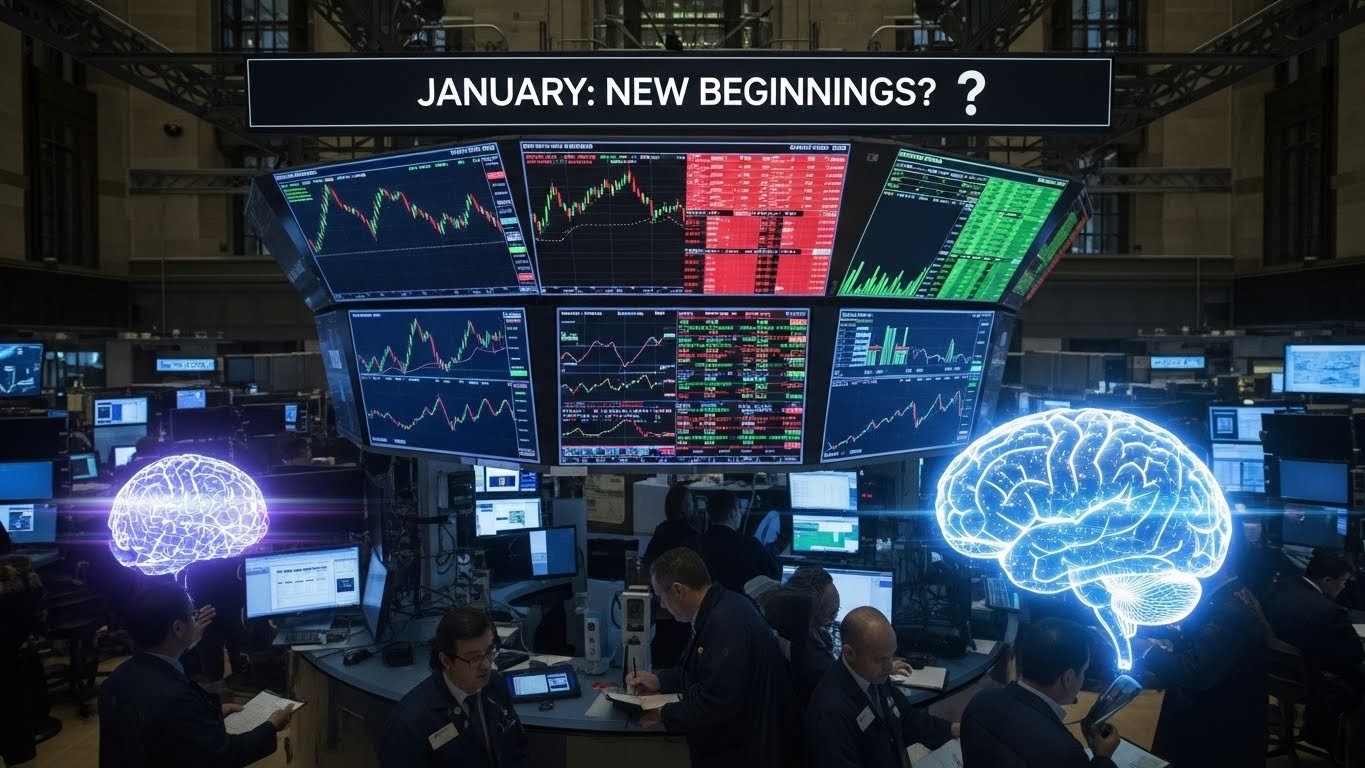
Market sentiment at the start of the year is mixed. Some investors feel fatigued after months of volatility, while others see opportunity in uncertainty. The phrase “Bitcoin limps into the new year at $87,000” captures this ambivalence, reflecting neither despair nor exuberance.
Psychological factors play a significant role in shaping price action. As fear subsides and confidence gradually returns, markets often stabilize and begin to rebuild momentum.
The Role of Media Narratives
Media coverage can amplify both optimism and pessimism. Headlines emphasizing Bitcoin’s decline may overshadow underlying strength, while bullish narratives can reignite speculation. Savvy investors learn to look beyond headlines and focus on data-driven analysis.
Outlook: What Could Come Next for Bitcoin?
Scenarios for the Coming Months
Several scenarios could unfold from here. Bitcoin may enter a prolonged consolidation phase, trading within a range as markets await clearer macro signals. Alternatively, renewed liquidity and positive catalysts could spark a recovery toward previous highs.
There is also the possibility of further downside if macro conditions deteriorate. However, strong support levels and long-term conviction among holders may limit the depth of any additional declines.
Long-Term Fundamentals Remain Intact
Despite short-term challenges, Bitcoin’s core fundamentals remain unchanged. Its decentralized nature, fixed supply, and growing adoption continue to attract believers. Even as Bitcoin limps into the new year at $87,000, its long-term narrative as a hedge against monetary debasement persists.
Conclusion
Bitcoin limps into the new year at $87,000 not as a sign of failure, but as a reminder of its inherently volatile nature. The 30% drop from all-time highs reflects a convergence of macroeconomic pressures, market structure adjustments, and shifting investor psychology. While the decline may feel discouraging to some, history suggests that such periods often lay the groundwork for future growth.
For investors, the key takeaway is perspective. Short-term price movements can be noisy and emotionally charged, but long-term trends are shaped by fundamentals, adoption, and resilience. As the new year unfolds, Bitcoin’s path will likely be influenced by liquidity conditions, regulatory clarity, and broader market sentiment. Whether this moment marks a pause or a pivot, Bitcoin remains firmly at the center of the global financial conversation.
FAQs
Q: Why did Bitcoin drop 30% from its all-time highs?
Bitcoin’s decline was driven by profit-taking, tighter liquidity conditions, reduced risk appetite, and leveraged position liquidations. Such corrections are common in crypto markets after strong rallies.
Q: Is $87,000 a strong support level for Bitcoin?
While no level is guaranteed, $87,000 appears to be an important psychological and technical zone where buying interest has emerged, helping stabilize prices for now.
Q: Does this mean the Bitcoin bull market is over?
Not necessarily. Historical cycles show that significant pullbacks can occur within broader bull markets. Long-term indicators still suggest underlying strength.
Q: How are institutional investors reacting to the current price?
Many institutions are taking a cautious but strategic approach, viewing the pullback as a potential accumulation opportunity rather than a reason to exit.
Q: What should investors focus on going forward?
Investors should monitor macroeconomic trends, regulatory developments, and on-chain data while maintaining a long-term perspective and managing risk carefully.