






































The cryptocurrency mining industry is at a critical crossroads. After years of explosive growth fueled by rising digital asset prices and expanding hash rates, many publicly traded mining companies now face tightening margins, higher energy costs, and increasing regulatory scrutiny. Against this backdrop, an activist investor has made a bold claim: Bitcoin miner Riot must embrace a $21 billion AI opportunity to unlock its full potential and future-proof its business model.
The company in question is Riot Platforms, one of the largest publicly listed Bitcoin mining firms in North America. Known for its expansive mining operations and aggressive infrastructure investments, Riot has traditionally focused on scaling hash power and optimizing operational efficiency. However, the rapid rise of artificial intelligence and surging demand for high-performance computing (HPC) infrastructure have introduced a compelling alternative growth path.
This article explores why the activist investor believes Riot should pivot toward AI data center hosting, how the estimated $21 billion AI infrastructure market factors into the strategy, and what this could mean for Riot’s long-term valuation. We will also analyze the broader convergence between Bitcoin mining and AI computing, assess financial implications, and examine potential risks and rewards.
The Strategic Crossroads for Riot Platforms
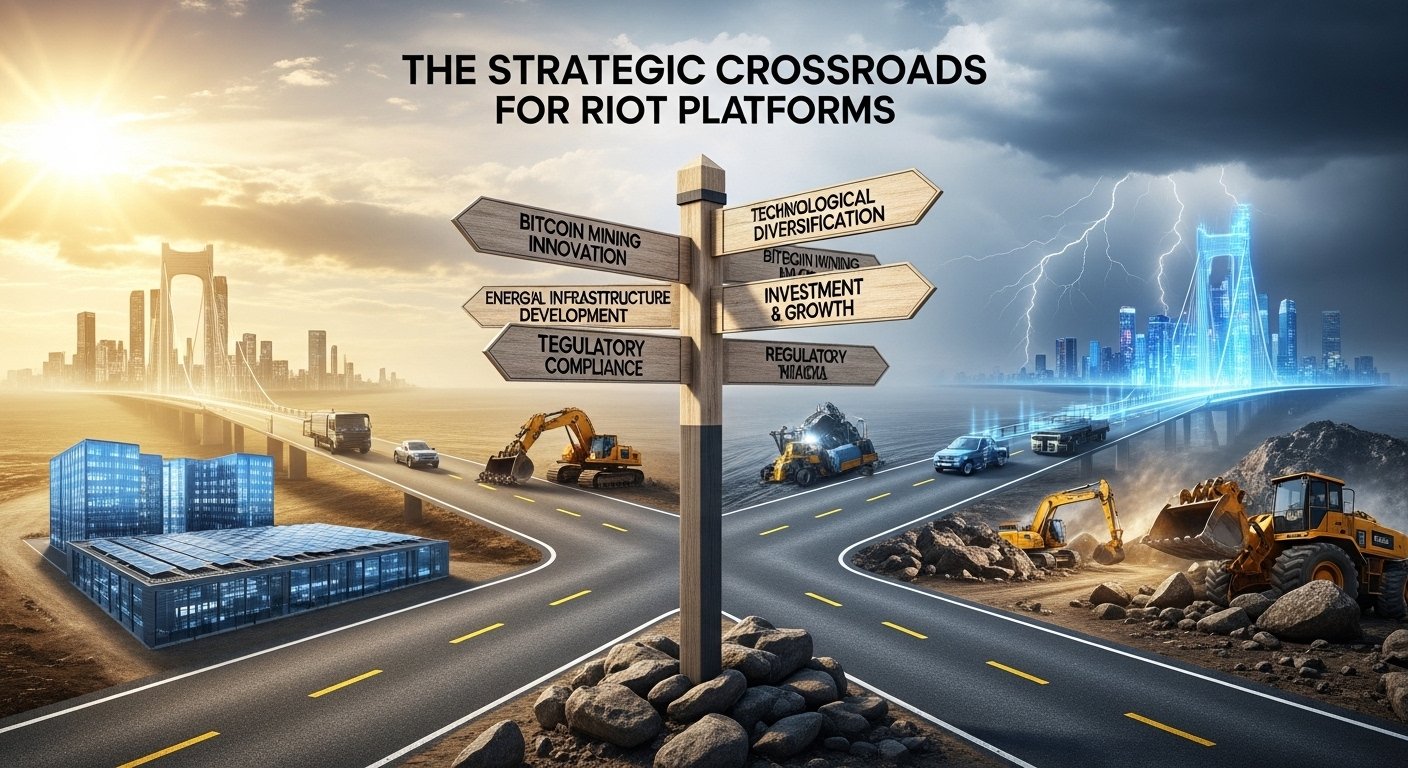
Riot Platforms has built its reputation on large-scale Bitcoin mining operations powered by competitive energy contracts and operational efficiency. Yet, as the digital asset cycle matures, miners are increasingly confronted with structural challenges that demand strategic reinvention.
The Post-Halving Revenue Squeeze
Bitcoin mining profitability is inherently cyclical, influenced by Bitcoin’s price, mining difficulty, and halving events. Each halving reduces block rewards, placing pressure on miners to either increase efficiency or diversify revenue streams. Riot, like its peers, must continuously upgrade hardware, optimize power usage, and manage capital expenditures carefully.
The activist investor argues that relying solely on Bitcoin mining revenue exposes Riot to volatile crypto cycles. By tapping into AI-driven data center services, Riot could mitigate exposure to cryptocurrency price fluctuations while leveraging its existing infrastructure.
Infrastructure Advantage in a New Market
One of Riot’s greatest strengths lies in its energy infrastructure and large-scale data center facilities. Bitcoin mining farms are essentially data centers optimized for high computational output. AI training workloads—particularly for large language models and generative AI systems—require similarly power-intensive environments.
The investor’s thesis is straightforward: Riot already owns critical infrastructure that can be repurposed or expanded to support AI and HPC clients. With minimal strategic reorientation, Riot could transform from a pure-play Bitcoin miner into a hybrid infrastructure powerhouse.
Understanding the $21 Billion AI Opportunity
The activist investor references a projected $21 billion market opportunity in AI-focused data center services. This figure reflects surging global demand for cloud computing, GPU hosting, and AI model training capacity.
The AI Infrastructure Boom
The rapid rise of artificial intelligence—accelerated by platforms such as OpenAI—has created unprecedented demand for computing resources. AI models require massive parallel processing capabilities, typically powered by advanced GPUs.
Major tech firms including Nvidia have reported record demand for AI chips, underscoring a broader industry shift. As enterprises race to adopt AI-driven solutions, demand for scalable, energy-efficient data centers continues to surge. For Riot, this represents a structural tailwind rather than a speculative gamble.
High-Performance Computing and Bitcoin Mining: A Technical Overlap
While Bitcoin mining primarily relies on ASIC hardware optimized for SHA-256 hashing, the underlying facilities—cooling systems, power distribution units, and physical security—mirror those needed for AI workloads.
The activist investor argues that Riot can diversify by allocating a portion of its facilities to GPU-based AI operations. This pivot would not eliminate Bitcoin mining but rather complement it, creating a dual-revenue model.
Why Activist Investors Are Pushing for Change
Activist investors typically intervene when they perceive untapped value within a company. In Riot’s case, the activist believes the company’s market valuation does not fully reflect its infrastructure potential.
Unlocking Shareholder Value
The investor’s argument centers on valuation multiples. Pure Bitcoin miners are often valued based on hash rate growth and Bitcoin price expectations. However, AI infrastructure companies and data center operators frequently command higher valuation multiples due to predictable revenue streams and long-term contracts. If Riot successfully integrates AI hosting services, it could reposition itself closer to technology infrastructure firms rather than crypto miners—potentially enhancing its enterprise value.
Reducing Revenue Volatility
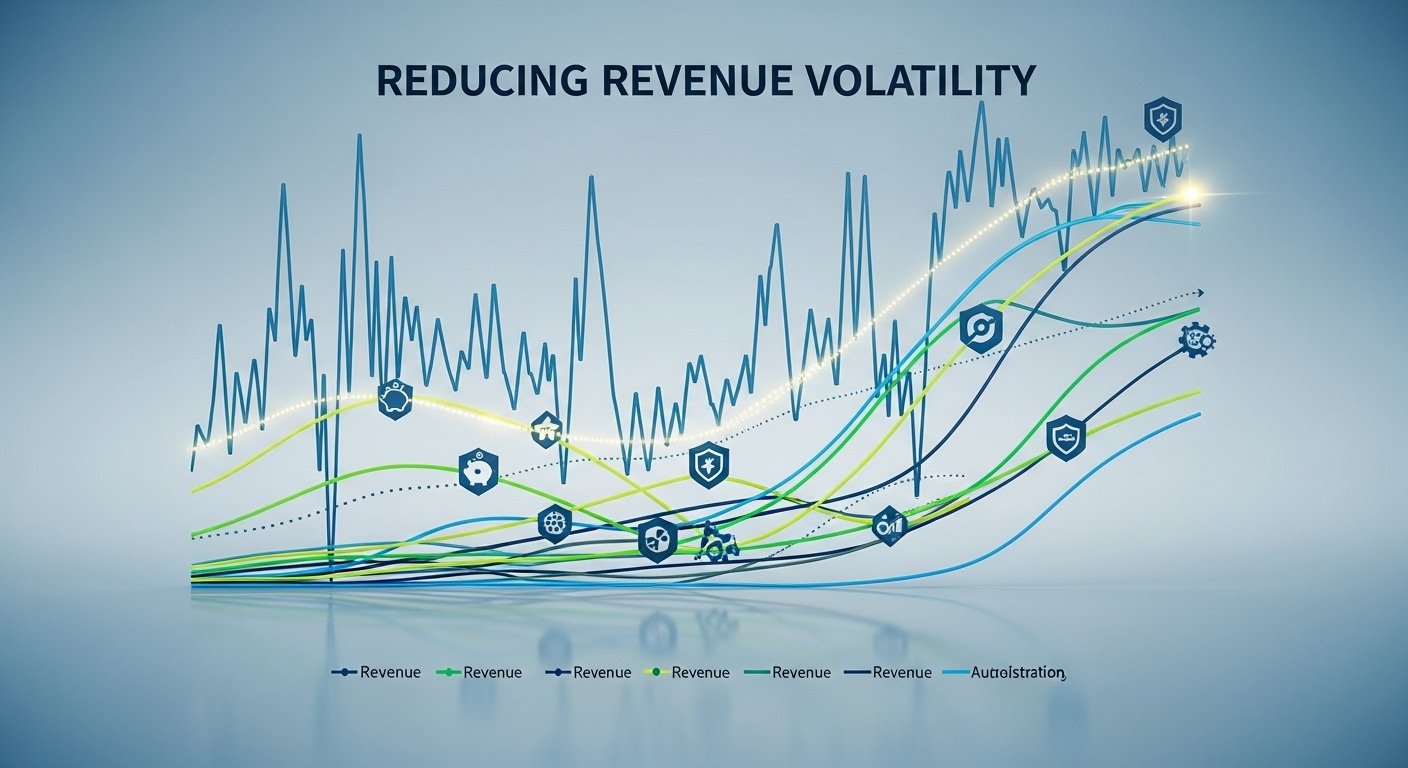
Bitcoin price swings significantly impact mining profitability. Diversifying into AI data center hosting could provide Riot with recurring revenue through enterprise contracts. This shift would reduce earnings volatility and strengthen long-term investor confidence.
The Convergence of Crypto Mining and AI Data Centers
The lines between crypto mining and AI data center operations are increasingly blurred. Several mining companies have already begun exploring hybrid models.
Energy as the Core Competitive Advantage
Energy cost is the single largest operating expense for Bitcoin miners. Riot’s competitive electricity agreements give it an advantage in securing low-cost power. AI workloads are similarly energy-intensive, meaning Riot’s energy expertise can translate seamlessly into AI infrastructure hosting. By leveraging its power procurement strategy, Riot could offer competitive pricing to AI clients while maintaining strong margins.
Geographic Positioning and Grid Integration
Many mining facilities are strategically located in regions with favorable energy policies and surplus power capacity. These locations are equally attractive for AI data centers seeking scalable energy solutions. The activist investor’s perspective emphasizes that Riot’s existing footprint is not just a mining advantage—it is a long-term infrastructure asset.
Financial Implications of an AI Pivot
A shift toward AI infrastructure is not merely operational; it is fundamentally financial. Capital allocation, equipment procurement, and long-term contracts would shape Riot’s balance sheet transformation.
Capital Expenditure Considerations
Transitioning to AI hosting requires investment in GPU hardware, networking equipment, and potentially enhanced cooling systems. While this entails significant upfront costs, AI clients often enter into multi-year agreements that provide stable revenue. The investor believes that the return on invested capital (ROIC) from AI hosting could surpass that of traditional mining during bearish crypto cycles.
Margin Stability and Cash Flow Diversification
Bitcoin mining margins fluctuate with hash rate difficulty and digital asset prices. AI data center contracts, by contrast, are typically structured around service-level agreements with predictable billing cycles. By diversifying revenue streams, Riot could smooth cash flow, improve earnings visibility, and reduce reliance on Bitcoin price appreciation.
Market Reaction and Investor Sentiment
The proposal to embrace a $21 billion AI opportunity has sparked debate among shareholders and analysts.
Supporters of the Strategy
Proponents argue that Riot must evolve to remain competitive. The global demand for AI computing capacity shows no signs of slowing, and companies positioned early in this shift could capture significant market share. Supporters view the pivot as a logical extension of Riot’s infrastructure capabilities rather than a departure from its core competencies.
Skeptics and Risk Considerations
Critics caution that AI hosting is a highly competitive market dominated by established cloud providers. Riot would need to differentiate itself through cost efficiency, reliability, or specialized services. There are also execution risks, including capital intensity and operational complexity.
Long-Term Strategic Outlook for Riot Platforms
The activist investor’s proposal ultimately hinges on a broader question: What is Riot’s identity? Is it merely a Bitcoin miner, or is it an energy-optimized digital infrastructure company?
Building a Hybrid Infrastructure Model
A hybrid model could allow Riot to dynamically allocate resources between Bitcoin mining and AI workloads based on market conditions. During crypto bull markets, mining operations could expand. During downturns, AI hosting could stabilize revenue. This flexibility would transform Riot from a cyclical miner into a more resilient infrastructure provider.
Positioning for the Next Decade
As artificial intelligence reshapes industries worldwide, infrastructure demand is likely to expand significantly. Riot’s strategic choices today could define its competitive positioning over the next decade. If executed effectively, embracing the $21 billion AI opportunity could elevate Riot beyond its mining origins.
Conclusion
The call for Riot Platforms to embrace a $21 billion AI opportunity reflects a broader transformation underway in the digital infrastructure landscape. Bitcoin mining companies are no longer confined to hashing power and block rewards; they possess valuable energy assets, operational expertise, and scalable facilities.
By pivoting toward AI data center hosting while maintaining core mining operations, Riot could reduce revenue volatility, enhance valuation multiples, and secure long-term growth. The activist investor’s thesis challenges Riot to redefine its identity—not just as a Bitcoin miner, but as a next-generation digital infrastructure leader.
Whether Riot ultimately commits to this strategic evolution remains to be seen. However, the convergence of cryptocurrency mining and artificial intelligence infrastructure suggests that the future of digital asset companies may extend far beyond blockchain alone.
FAQs
Q: Why is an activist investor urging Riot to pursue AI opportunities?
The investor believes Riot’s infrastructure and energy assets position it to capture a share of the growing $21 billion AI data center market, potentially increasing shareholder value.
Q: How does AI infrastructure differ from Bitcoin mining?
Bitcoin mining uses ASIC hardware to validate transactions, while AI infrastructure relies on GPU-based computing for training and deploying machine learning models.
Q: What are the financial benefits of diversifying into AI?
AI hosting can provide recurring revenue through long-term contracts, reducing exposure to Bitcoin price volatility and improving earnings stability.
Q: What risks does Riot face in pivoting to AI?
Risks include high capital expenditures, competitive pressure from established cloud providers, and execution challenges during the transition.
Q: Could Riot maintain both Bitcoin mining and AI operations?
Yes. A hybrid model would allow Riot to allocate resources dynamically, optimizing profitability based on market conditions in both crypto and AI sectors.
Also More: Bitcoin Miners Pivot to Powering AI Inside the New Compute Rush