







































The global financial markets were rocked as Bitcoin plunges below $90K, sending shockwaves across the cryptocurrency ecosystem and spilling over into traditional equity markets. The sell-off coincided with a sharp downturn in the Nasdaq, where technology and AI-driven stocks faced intense pressure amid growing concerns about inflated valuations, regulatory scrutiny, and the long-term sustainability of artificial intelligence-led growth. This convergence of events underscored how deeply interconnected digital assets, technology equities, and investor sentiment have become in the modern financial system.
For months, Bitcoin had been riding a wave of optimism fueled by institutional adoption, expectations of monetary easing, and enthusiasm around spot Bitcoin ETFs. However, the sudden reversal highlighted the fragile nature of risk-on assets when macroeconomic uncertainty resurfaces. As crypto markets tumble alongside AI-heavy tech stocks, investors are reassessing exposure to speculative assets, questioning whether the rally had moved too far, too fast.
Bitcoin Plunges Below $90K: What Triggered the Sudden Drop?
The moment Bitcoin slipped under the psychologically significant $90,000 level, panic rippled through the market. Price levels often act as emotional anchors, and when they break, automated trading systems and human fear tend to amplify the move. The drop was not driven by a single event but rather by a combination of macroeconomic pressures, equity market weakness, and fading speculative momentum.
One of the primary catalysts was the sharp decline in technology stocks, particularly those linked to artificial intelligence. As the Nasdaq fell, risk assets across the board faced selling pressure. Bitcoin price volatility intensified as traders rushed to lock in profits accumulated during the recent rally. This sell-off was exacerbated by leveraged positions being unwound, leading to cascading liquidations across major crypto exchanges.
The Psychological Impact of Losing Key Support Levels
When Bitcoin plunges below $90K, the technical implications are as important as the fundamental ones. Support levels serve as confidence markers for traders, and their breach often signals a shift in short-term market structure. The fall below this threshold triggered stop-loss orders and algorithmic selling, accelerating the decline.
Investor psychology also played a critical role. Many retail traders who entered the market during the rally were unprepared for sudden volatility. As fear replaced greed, social media sentiment turned sharply negative, reinforcing bearish momentum. This emotional cycle is a recurring theme in crypto markets, where rapid price movements can distort rational decision-making.
AI Worries Drag Nasdaq and Broader Tech Stocks Down
While Bitcoin struggled, the Nasdaq faced its own reckoning. AI worries drag Nasdaq lower as investors questioned whether the explosive growth in artificial intelligence stocks was sustainable. For much of the year, AI had been the dominant narrative driving equity markets, with companies involved in machine learning, semiconductors, and cloud computing seeing massive inflows.
This rotation had significant implications for crypto markets. The strong correlation between tech stocks and digital assets meant that weakness in one sector quickly spilled into the other. As Nasdaq slides, Bitcoin and other cryptocurrencies followed, reinforcing the perception that they are part of the same risk-on trade.
Valuation Concerns and the AI Bubble Debate
The debate over whether AI represents a genuine technological revolution or a speculative bubble intensified during the sell-off. Skeptics argued that expectations had become detached from reality, with many companies priced for perfection despite uncertain revenue models. This skepticism prompted institutional investors to reduce exposure, triggering a broader market correction.
For crypto investors, the AI sell-off served as a reminder that narratives can shift quickly. Just as enthusiasm around blockchain technology has waxed and waned over the years, the AI story is subject to cycles of hype and disappointment. The overlap between these narratives has increased volatility across both markets.
Crypto Stocks Down as Risk Appetite Fades

The decline was not limited to Bitcoin alone. Crypto stocks down across major exchanges reflected the broader retreat from digital asset exposure. Companies involved in mining, exchanges, and blockchain infrastructure saw their share prices fall sharply as investors reassessed growth prospects.
Mining stocks were particularly hard hit due to concerns about profitability amid fluctuating Bitcoin prices and rising operational costs. Exchange-related stocks also suffered as trading volumes declined, reducing fee-based revenues. This downturn highlighted the sensitivity of crypto-related equities to underlying asset prices.
Institutional Investors and Portfolio Rebalancing
Institutional investors played a significant role in the market movement. Many funds that had increased exposure to Bitcoin and crypto stocks during the rally began rebalancing portfolios to manage risk. This reallocation contributed to selling pressure and reinforced downward momentum. Despite the short-term pullback, some institutions viewed the correction as a healthy reset. By shaking out excessive leverage and speculative excess, the market may be better positioned for sustainable growth in the long run.
The Role of Macroeconomic Uncertainty
Macroeconomic factors loomed large over the market downturn. Persistent inflation, geopolitical tensions, and uncertainty around global growth created a challenging environment for risk assets. As central banks signaled caution, expectations for aggressive monetary easing diminished.
For Bitcoin, which is often touted as an inflation hedge, the reality proved more complex. In the short term, Bitcoin market crash scenarios tend to align with broader risk-off sentiment, even if the long-term thesis remains intact. Investors seeking liquidity often sell what they can, not just what they want to.
Interest Rates and Their Impact on Digital Assets
Interest rates play a crucial role in shaping investor behavior. Higher rates increase the opportunity cost of holding non-yielding assets like Bitcoin. As yields on government bonds rise, some investors shift capital away from cryptocurrencies, putting downward pressure on prices.
This dynamic was evident as bond yields climbed alongside the equity market sell-off. The resulting environment was unfavorable for speculative assets, reinforcing the downward trend.
Correlation Between Bitcoin and Tech Stocks
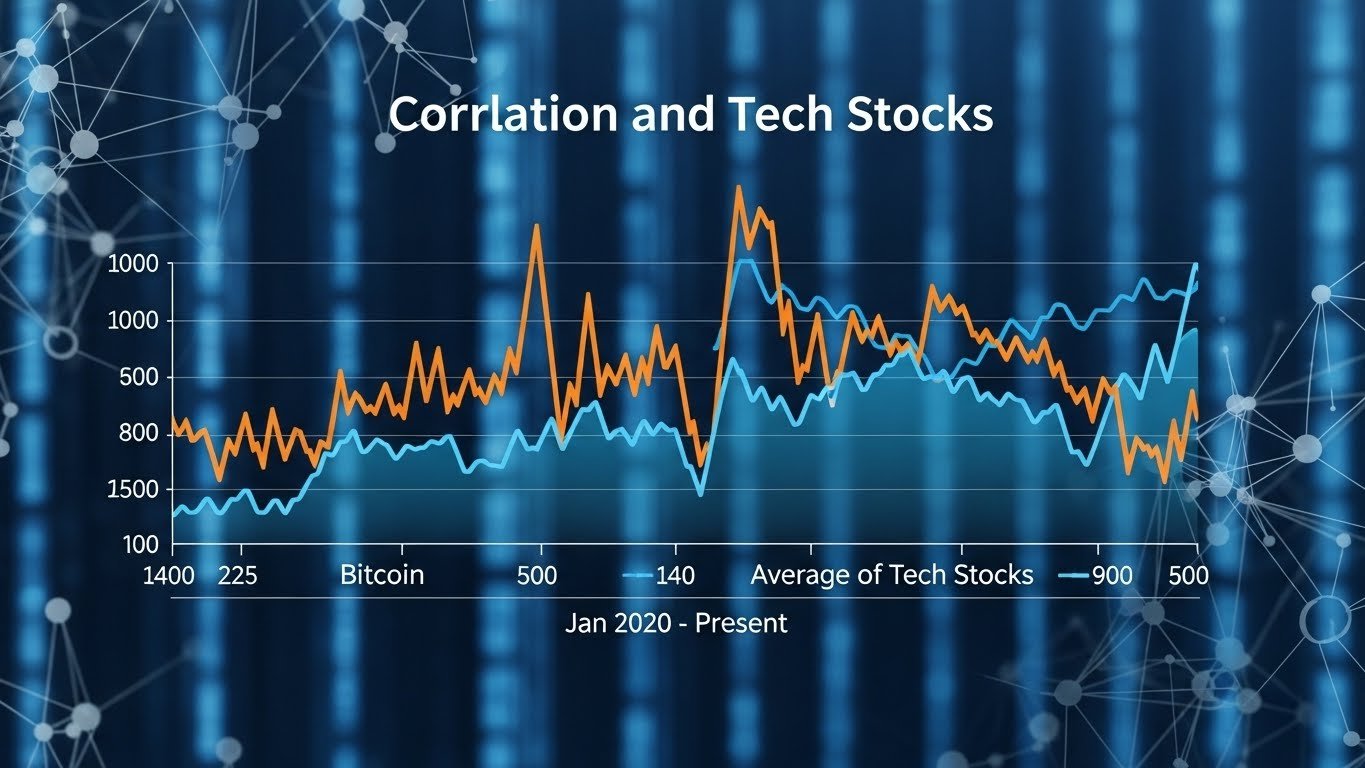
The increasing correlation between Bitcoin and technology stocks has been a defining feature of recent market cycles. As digital assets become more integrated into mainstream finance, they are increasingly influenced by the same forces that drive equity markets.
When Bitcoin plunges below $90K alongside a falling Nasdaq, it challenges the narrative of Bitcoin as a completely uncorrelated asset. While diversification benefits may still exist over longer time horizons, short-term movements often reflect shared risk factors.
Market Sentiment and the Fear-Greed Cycle
Market sentiment shifted rapidly as prices fell. The crypto fear and greed index swung toward fear, reflecting heightened anxiety among traders. This shift often leads to overreactions, creating opportunities for disciplined investors.
Fear-driven markets tend to exaggerate downside risks, just as greed-driven markets exaggerate upside potential. Understanding this cycle is essential for navigating volatile environments and avoiding emotionally driven decisions.
What This Means for Long-Term Investors
For long-term investors, the question is not whether Bitcoin plunges below $90K today, but what the broader trend looks like over years rather than weeks. Corrections are a natural part of any market, particularly one as young and dynamic as cryptocurrency.
Those with a long-term perspective may view the pullback as an opportunity to reassess fundamentals, evaluate risk tolerance, and consider strategic allocation. Dollar-cost averaging and diversification remain key principles for managing volatility.
The Future of AI, Crypto, and Financial Markets
Despite current concerns, both AI and cryptocurrency continue to represent transformative technologies. The challenge lies in distinguishing sustainable innovation from speculative excess. As markets mature, valuation discipline and regulatory clarity will play increasingly important roles.
The recent sell-off may mark a transition from hype-driven growth to a more measured phase of development. For both sectors, this evolution could ultimately strengthen their foundations.
Conclusion
The moment when Bitcoin plunges below $90K as AI worries drag Nasdaq, crypto stocks down serves as a powerful reminder of the interconnected nature of modern financial markets. Driven by macroeconomic uncertainty, valuation concerns, and shifting investor sentiment, the downturn highlighted both the risks and opportunities inherent in high-growth assets.
While short-term volatility can be unsettling, it also forces a reassessment of assumptions and strategies. For investors willing to look beyond the noise, the correction may offer valuable insights into market dynamics and long-term potential. As AI and cryptocurrency continue to evolve, their paths will likely remain intertwined with broader economic forces, shaping the future of global finance.
FAQs
Q. Why did Bitcoin plunge below $90K?
Bitcoin fell below $90K due to a combination of tech stock weakness, AI-related valuation concerns, macroeconomic uncertainty, and increased selling pressure from leveraged positions.
Q. How are AI worries affecting the Nasdaq?
AI worries are impacting the Nasdaq as investors question whether earnings and growth prospects justify high valuations, leading to profit-taking and sector rotation.
Q. Why are crypto stocks down along with Bitcoin?
Crypto stocks declined because their performance is closely tied to Bitcoin prices and overall risk sentiment, which weakened during the market sell-off.
Q. Is this Bitcoin crash a long-term concern?
While short-term volatility is significant, long-term concerns depend on adoption, regulation, and macroeconomic trends rather than temporary price movements.
Q. What should investors do during high market volatility?
Investors should focus on risk management, avoid emotional decisions, and consider long-term strategies such as diversification and disciplined investing.