








































Bitcoin recovers above $67,000 as markets digest Khamenei’s death, marking another moment where geopolitics and digital assets intersect in dramatic fashion. Global financial markets have long reacted sharply to unexpected political developments, but the reaction in the cryptocurrency market often reveals a unique dynamic. Unlike traditional equities or sovereign bonds, Bitcoin price action frequently reflects a blend of risk sentiment, safe-haven demand, and speculative positioning.
The reported death of Iran’s Supreme Leader, Ali Khamenei, triggered immediate volatility across oil markets, emerging market currencies, and global equities. Investors initially moved toward traditional safe-haven assets such as gold and the U.S. dollar. Yet within hours, Bitcoin demonstrated remarkable resilience. After dipping amid the first wave of uncertainty, Bitcoin recovers above $67, signaling renewed confidence among traders and long-term holders.
This development underscores how cryptocurrency markets, particularly Bitcoin, have matured. Once dismissed as a fringe asset class, Bitcoin increasingly responds to macroeconomic and geopolitical catalysts with structural strength rather than pure speculative frenzy. The recovery above $67,000 reflects a complex interplay of liquidity flows, institutional participation, and global uncertainty.
Geopolitical Turbulence and Immediate Market Reaction
When major geopolitical events unfold, markets typically reprice risk in real time. News surrounding Khamenei’s death prompted immediate speculation about political succession, regional stability, and potential impacts on global oil supply chains. Iran plays a critical role in Middle Eastern geopolitics, and any instability can ripple through energy markets.
Initially, risk assets weakened. Equity futures slipped, oil prices spiked on fears of supply disruptions, and emerging market currencies faced downward pressure. Bitcoin, often categorized as a risk-on asset, briefly followed the broader pattern. Traders reduced exposure amid heightened volatility.
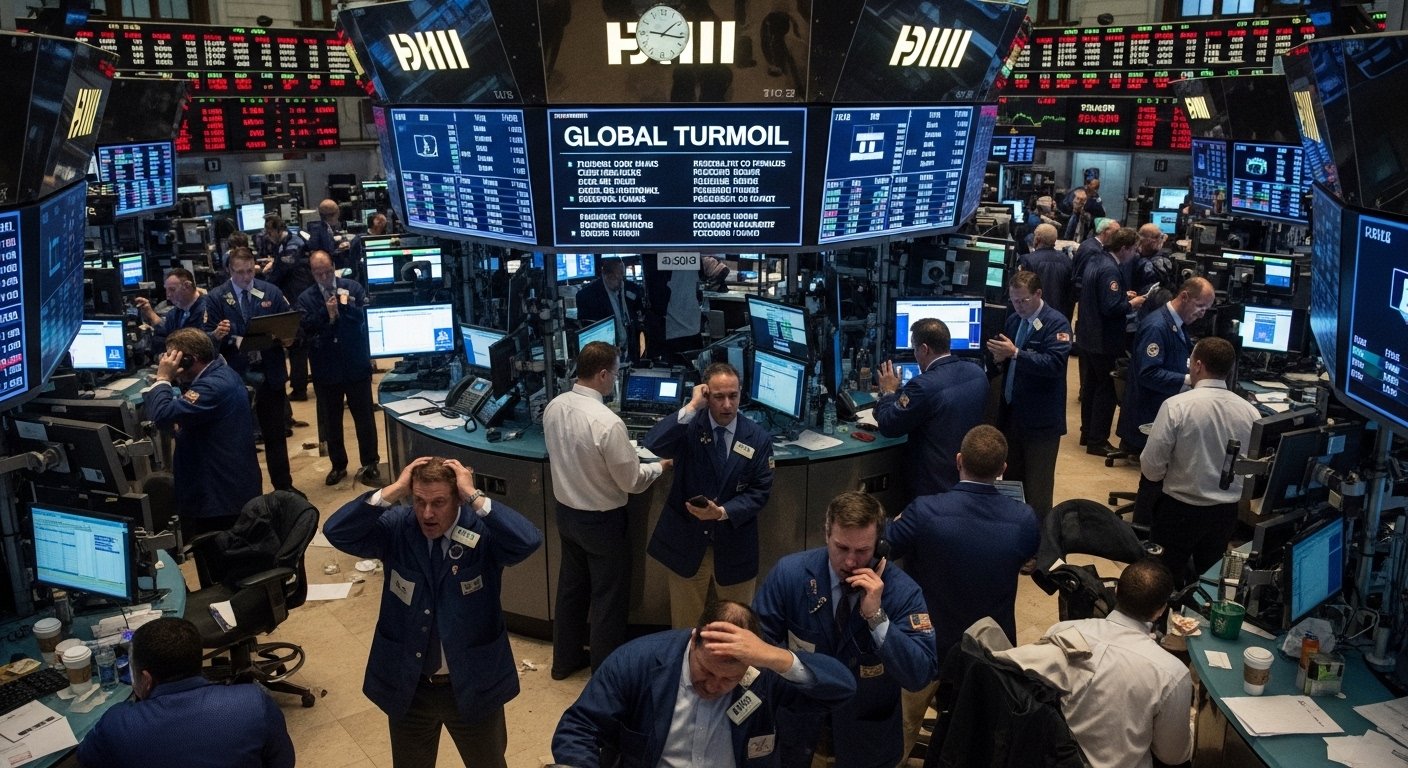
However, what sets Bitcoin apart is its dual identity. It is frequently treated as both a speculative technology asset and a decentralized hedge against systemic instability. As the initial shock subsided, capital began rotating back into crypto markets. Within 24 hours, Bitcoin recovers above $67,000, illustrating how digital assets can rebound swiftly when panic-driven selling fades.
Why Bitcoin Recovered So Quickly
Institutional Liquidity and Structural Demand
The rapid rebound was not accidental. Over the past few years, institutional participation in crypto markets has increased significantly. Large asset managers, hedge funds, and corporate treasuries now view Bitcoin as part of diversified portfolios.
When geopolitical news triggers volatility, these institutional players often rebalance rather than exit completely. As a result, Bitcoin market liquidity remains deeper than in prior cycles. The dip created by geopolitical uncertainty was met with buy-side demand, allowing Bitcoin to reclaim and hold the $67,000 level.
The Safe-Haven Narrative Strengthens
Historically, gold has been the dominant safe-haven asset during times of crisis. However, Bitcoin’s fixed supply and decentralized architecture make it attractive in similar scenarios. Investors wary of currency devaluation or regional instability sometimes pivot toward digital assets.
As markets digested Khamenei’s death and broader implications for regional politics, Bitcoin regained its narrative as “digital gold.” This shift in sentiment contributed to the rally above $67,000. The recovery reinforces the growing perception of Bitcoin as an alternative store of value during periods of global tension.
Technical Support and Market Structure
From a technical analysis perspective, Bitcoin’s price found strong support near key moving averages before rebounding. Traders monitoring support and resistance levels noted that the $65,000 zone acted as a psychological floor. Once buyers stepped in, momentum indicators flipped bullish, accelerating the recovery.Short-term liquidations also played a role. As bearish positions were squeezed, upward price pressure intensified, pushing Bitcoin back above $67,000.
The Broader Crypto Market Reaction
Bitcoin’s recovery did not occur in isolation. The broader cryptocurrency market capitalization also stabilized following initial turbulence. Major altcoins mirrored Bitcoin’s pattern, with Ethereum and other large-cap tokens regaining lost ground.
The event highlights Bitcoin’s continued dominance. When global uncertainty strikes, capital typically flows first into Bitcoin before dispersing across the wider digital asset ecosystem. This behavior reinforces Bitcoin’s position as the benchmark asset within crypto markets.
While volatility remains elevated, the ability of the crypto market to absorb geopolitical shocks suggests structural maturation. Compared to earlier years, panic selling appears less prolonged, and liquidity cushions price swings more effectively.
Energy Markets, Oil Prices, and Bitcoin Correlation
Iran’s geopolitical importance is closely tied to global energy supply. Following Khamenei’s death, oil markets experienced immediate upward pressure. Rising oil prices often influence inflation expectations, which in turn impact central bank policy.
Higher inflation expectations can be bullish for Bitcoin. Many investors see Bitcoin as a hedge against fiat currency debasement. As oil prices climbed, discussions about inflation resurfaced, indirectly supporting Bitcoin’s rebound.

However, correlations between oil and Bitcoin remain complex. At times, Bitcoin behaves like a risk asset sensitive to macro tightening. At other times, it decouples and trades independently. The current rebound above $67,000 suggests that inflation-hedge narratives are gaining traction once again.
Investor Psychology During Crisis Events
Market reactions to geopolitical news are often driven as much by psychology as by fundamentals. The initial dip reflected uncertainty and fear of escalation. Yet once worst-case scenarios appeared less likely, confidence returned.
Behavioral finance principles explain this pattern. Traders frequently overreact to breaking news, only to recalibrate once clarity emerges. Bitcoin’s rapid recovery demonstrates the speed at which sentiment can shift in crypto markets.
Moreover, long-term holders—often referred to as “HODLers”—showed minimal selling pressure during the downturn. On-chain data indicated stable wallet balances among major holders. This reduced supply on exchanges contributed to upward price momentum once buying resumed.
Macro Trends Supporting Bitcoin’s Strength
Monetary Policy and Global Liquidity
Global central banks remain central to Bitcoin’s trajectory. Even as geopolitical tension dominates headlines, monetary policy continues to shape asset flows. If central banks maintain accommodative stances amid uncertainty, liquidity conditions may remain supportive for digital assets.
The recovery above $67,000 coincides with expectations that policymakers will avoid aggressive tightening during geopolitical instability. Such conditions typically benefit risk assets, including cryptocurrencies.
Regulatory Clarity and Market Maturity
Over recent years, clearer regulatory frameworks in major economies have reduced existential uncertainty around crypto. Institutional custody solutions, spot exchange-traded products, and improved compliance standards have strengthened investor confidence.
This regulatory progress provides a structural backdrop that helps Bitcoin withstand episodic geopolitical shocks. The market no longer reacts solely on speculation; it now incorporates institutional-grade infrastructure.
Technical Outlook After Reclaiming $67,000
With Bitcoin recovers above $67,000, traders now focus on whether this level can hold as support. A sustained consolidation above this zone may open the path toward testing higher resistance levels.Momentum indicators show renewed bullish signals, but volatility remains elevated. Trading volume has increased, indicating strong participation on both sides. If geopolitical tensions ease further, upside continuation becomes more plausible.Conversely, renewed instability in the Middle East could reintroduce sharp swings. Risk management remains essential in such environments.
Long-Term Implications for Bitcoin
The ability of Bitcoin to recover swiftly from geopolitical shocks strengthens its credibility as a global asset class. Unlike equities tied to specific jurisdictions, Bitcoin operates on a decentralized network unaffected by national governance transitions.
This structural independence is central to its appeal. As markets digest Khamenei’s death and broader regional implications, Bitcoin’s rebound suggests that investors increasingly view it as resilient infrastructure rather than speculative novelty.
Over time, repeated demonstrations of resilience may solidify Bitcoin’s role in diversified portfolios. Institutional asset allocation models already incorporate small percentages of digital assets for diversification. Each successful recovery reinforces this allocation thesis.
Conclusion
Bitcoin recovers above $67,000 as markets digest Khamenei’s death, showcasing the cryptocurrency’s evolving role in global finance. What began as a volatility spike driven by geopolitical uncertainty transformed into a demonstration of market maturity and structural demand.
The rebound reflects institutional liquidity, strengthened safe-haven narratives, technical support levels, and improving regulatory clarity. While short-term volatility remains inevitable, Bitcoin’s resilience amid geopolitical turbulence underscores its growing integration into mainstream financial systems.
As investors navigate uncertain times, Bitcoin continues to balance its dual identity: a high-growth digital asset and a decentralized hedge against instability. The recovery above $67,000 serves as a reminder that even in moments of global shock, crypto markets can adapt swiftly and decisively.
FAQs
Q: Why did Bitcoin initially drop after Khamenei’s death?
The initial decline reflected heightened geopolitical uncertainty and risk-off sentiment. Traders often reduce exposure to volatile assets during breaking news events before reassessing conditions.
Q: Why did Bitcoin recover above $67,000 so quickly?
Bitcoin rebounded due to institutional buying, strong technical support, and renewed safe-haven demand. As panic subsided, capital flowed back into crypto markets.
Q: Is Bitcoin considered a safe-haven asset?
Bitcoin is increasingly viewed as a digital store of value similar to gold. However, it remains more volatile than traditional safe-haven assets and can behave like a risk asset during certain macro conditions.
Q: How do geopolitical events impact cryptocurrency markets?
Geopolitical events can increase volatility, shift investor sentiment, and influence macroeconomic expectations such as inflation or monetary policy, all of which affect crypto prices.
Q: What should investors watch next?
Investors should monitor regional stability in the Middle East, global monetary policy decisions, oil price trends, and technical levels around $67,000 to assess Bitcoin’s next move.
Also More:Bitdeer Increases Bitcoin Production as Mining Industry Recovers