






































The maritime industry has traditionally been one of the most capital-intensive sectors in the global economy. For decades, ship ownership has required substantial financial resources, institutional backing, and complex financing structures. However, the recent approval of a blockchain-based platform for fractional ship ownership signals a turning point in how maritime assets can be financed, owned, and traded.
As global trade continues to expand, shipping remains the backbone of international commerce. Nevertheless, access to maritime investment opportunities has largely been restricted to large corporations, private equity firms, and high-net-worth individuals. Now, with the integration of blockchain technology, asset tokenization, and digital securities, a new investment model is emerging that democratizes access to ship ownership.
Importantly, this regulatory approval not only validates the platform’s compliance framework but also reinforces confidence in the broader concept of real-world asset tokenization. Consequently, investors, maritime operators, and fintech innovators are closely watching how this development could reshape shipping finance in the coming years.
The Evolution of Maritime Investment
Traditional Ship Ownership and Its Barriers
Historically, ship ownership has involved significant capital expenditure, operational risk, and regulatory oversight. A single commercial vessel can cost tens of millions of dollars, and beyond acquisition, owners must manage maintenance, crew salaries, insurance, fuel expenses, and international compliance requirements. Therefore, participation has typically been limited to institutional investors and established shipping companies.
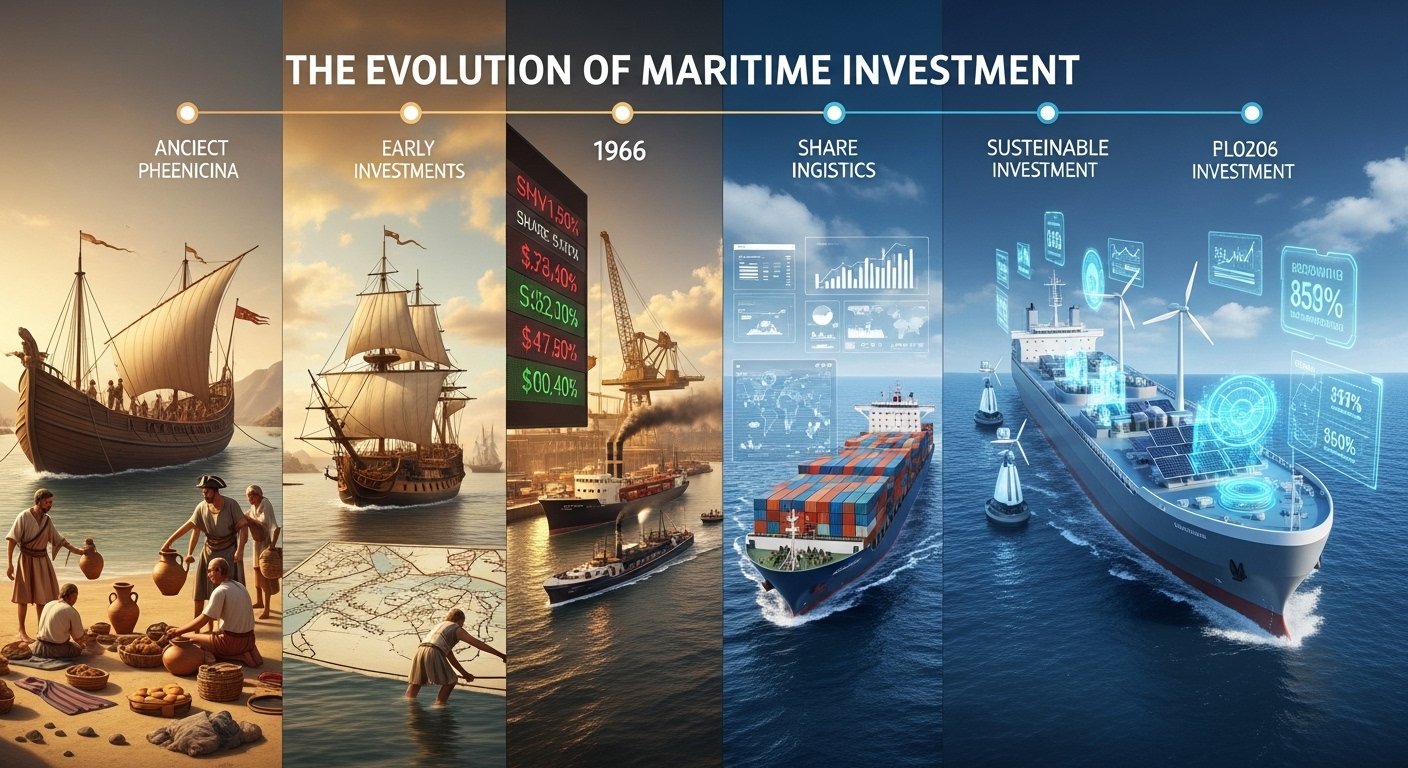
Moreover, liquidity has always been a challenge. Unlike publicly traded equities, ships are not easily bought or sold. Transactions require brokers, legal teams, due diligence processes, and lengthy negotiations. As a result, maritime assets have remained relatively illiquid compared to other investment vehicles.
However, the approval of a blockchain-based platform for fractional ship ownership introduces a structural shift. Instead of one entity owning an entire vessel, ownership can now be divided into smaller digital fractions, thereby lowering entry barriers for a wider pool of investors.
The Emergence of Blockchain in Asset Finance
Over the past decade, distributed ledger technology has expanded beyond cryptocurrencies into mainstream finance. Initially associated with digital currencies, blockchain is now being applied to sectors such as real estate, infrastructure, and private equity. Similarly, maritime finance is beginning to adopt this innovative framework.
Through asset-backed tokens, physical ships can be represented digitally on a secure blockchain ledger. Furthermore, smart contracts automate transactions, revenue distribution, and compliance requirements. Consequently, transparency improves while operational inefficiencies decline.
Understanding the Blockchain-Based Platform for Fractional Ship Ownership
How Fractional Ship Ownership Works
At its core, fractional ship ownership allows multiple investors to collectively own shares of a vessel. Instead of purchasing an entire ship, investors buy digital tokens that represent proportional ownership stakes. Each token corresponds to a defined share of the vessel’s revenue and, in some cases, governance rights.
Importantly, the blockchain-based platform for fractional ship ownership structures these tokens within a legally compliant framework. Typically, a special purpose vehicle holds the physical asset, while blockchain tokens represent beneficial ownership interests. As a result, investors gain exposure to maritime income streams without directly managing operational complexities.Additionally, blockchain records every transaction immutably. Therefore, ownership transfers, dividend distributions, and compliance checks are permanently documented on a transparent ledger.
The Role of Smart Contracts
Smart contracts are self-executing digital agreements embedded within blockchain systems. Once predefined conditions are met, actions occur automatically. For example, when freight income is received, revenue shares can be distributed instantly to token holders.
Moreover, smart contracts reduce administrative costs and minimize human error. Instead of relying on manual reconciliation processes, automated code ensures consistent and transparent execution. Consequently, operational efficiency increases while trust among stakeholders strengthens.
Regulatory Approval: Why It Matters
Legitimacy and Investor Protection
One of the most significant aspects of this development is the platform’s regulatory approval. In the digital asset sector, regulatory clarity is crucial. Without compliance, even the most innovative technologies struggle to attract serious capital.
The approval of the blockchain-based platform for fractional ship ownership indicates adherence to securities laws, anti-money laundering standards, and investor protection guidelines. Therefore, participants can engage with greater confidence.Furthermore, regulatory oversight ensures transparency in disclosures, governance, and risk management. As a result, both retail and institutional investors are more likely to consider participation.
Institutional Adoption and Market Confidence
In addition to retail interest, institutional investors often require strict compliance before allocating capital. Now that the platform has secured important approval, it can pursue partnerships with shipping operators, maritime funds, and financial institutions.
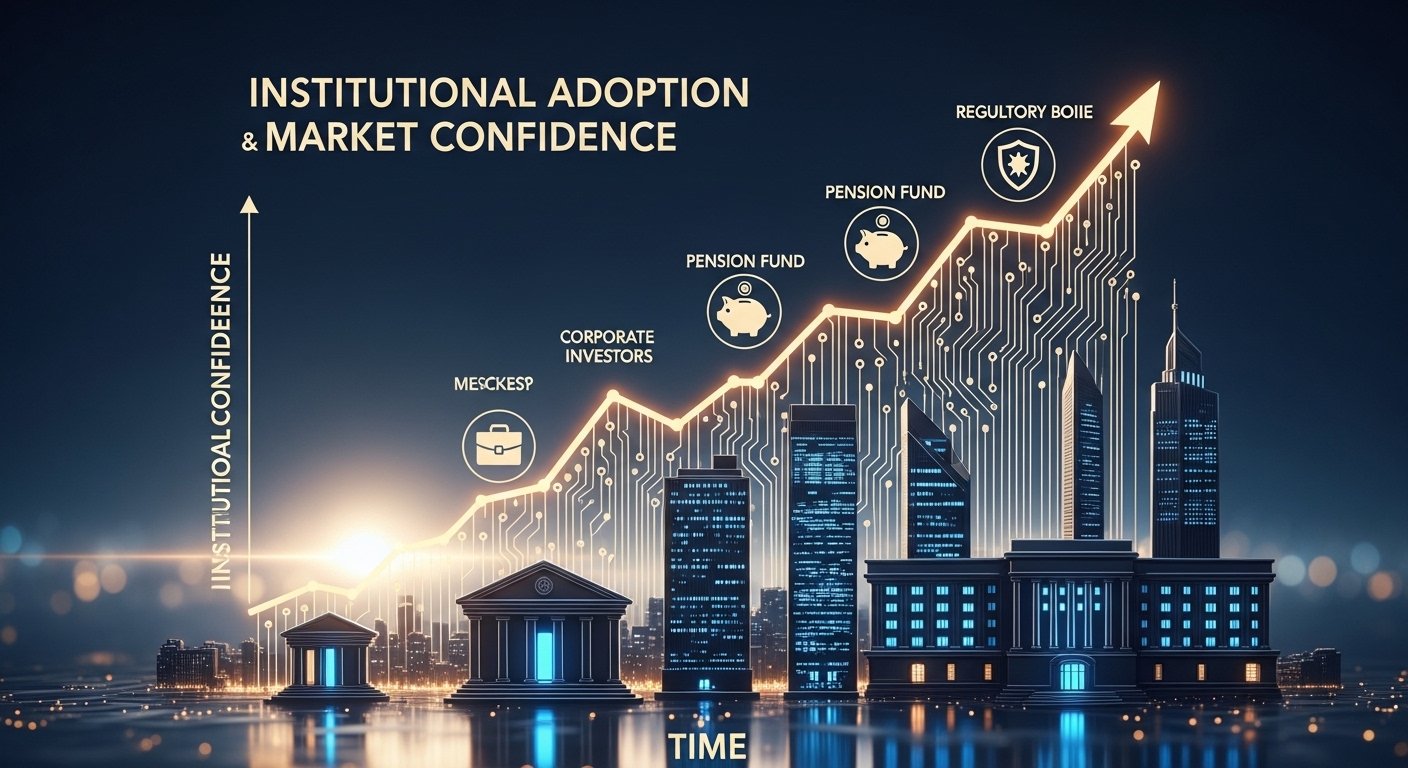
Consequently, this milestone could accelerate broader institutional adoption of tokenized maritime assets. Over time, this may lead to deeper secondary markets and increased capital inflows into the shipping sector.
Key Benefits of a Blockchain-Based Platform for Fractional Ship Ownership
Enhanced Accessibility
First and foremost, accessibility improves dramatically. Traditionally, maritime investment required millions in capital. However, fractional ownership lowers the financial threshold, thereby enabling smaller investors to participate.In addition, investors gain exposure to global trade dynamics without directly operating vessels. This creates a diversified income opportunity tied to freight markets and charter contracts.
Improved Liquidity
Liquidity has historically been one of shipping’s weakest characteristics. Nevertheless, blockchain introduces secondary trading possibilities for tokenized shares. Depending on regulatory frameworks and platform rules, investors may trade their tokens on approved markets.As a result, ownership becomes more flexible compared to conventional ship transactions. Consequently, investors benefit from greater capital mobility.
Transparency and Efficiency
Blockchain’s immutable ledger ensures transparent record-keeping. Every transaction, distribution, and ownership transfer is recorded securely. Therefore, auditability improves significantly.Moreover, automated dividend payments through smart contracts streamline financial management. Instead of manual processing, revenue allocations occur programmatically, enhancing operational reliability.
Broader Impact on the Maritime Industry
Modernizing Shipping Finance
The maritime sector has historically been conservative in financial innovation. However, digital transformation is accelerating across global trade. From electronic bills of lading to blockchain-based supply chain tracking, the industry is embracing technological change.
In this context, the blockchain-based platform for fractional ship ownership represents a logical extension of modernization efforts. By digitizing ownership structures, shipping finance aligns with contemporary fintech standards.
Portfolio Diversification Opportunities
Another critical advantage is diversification. Rather than investing in a single vessel, investors can allocate funds across multiple ships or shipping categories. For example, portfolios may include bulk carriers, tankers, or container ships.Consequently, risk exposure can be balanced across different trade routes and freight markets. This approach enhances risk-adjusted returns and mitigates volatility.
Risks and Considerations
Market Volatility
Despite technological innovation, shipping remains cyclical. Freight rates fluctuate based on supply-demand imbalances, geopolitical events, and global economic trends. Therefore, investors must understand that tokenization does not eliminate market risk.Nevertheless, transparent reporting and digital governance tools can provide clearer visibility into operational performance.
Regulatory Complexity Across Borders
Shipping operates globally, which introduces jurisdictional challenges. Although the platform has received important approval, expansion into additional markets may require further regulatory alignment.However, as governments increasingly recognize digital asset securities, cross-border harmonization may gradually improve.
The Future of Real-World Asset Tokenization
Expansion Beyond Maritime Assets
The approval of this blockchain-based platform for fractional ship ownership reflects a broader shift toward real-world asset tokenization. Real estate, renewable energy, and infrastructure projects are also exploring blockchain-based fractional models.Therefore, maritime tokenization could serve as a blueprint for other asset-heavy industries seeking capital efficiency.
Integration With Digital Financial Ecosystems
Looking ahead, tokenized ship shares may integrate with broader digital asset marketplaces. For instance, regulated exchanges could facilitate secondary trading, while digital wallets manage custody.As a result, maritime investment may become part of diversified digital portfolios alongside equities and bonds.
Conclusion
The approval of a blockchain-based platform for fractional ship ownership marks a transformative moment for maritime finance. By combining blockchain technology, smart contracts, and regulatory compliance, the platform democratizes access to a historically exclusive asset class.
Furthermore, it enhances liquidity, transparency, and operational efficiency while maintaining investor protection standards. Although shipping markets remain cyclical and regulatory frameworks complex, the foundation for digital maritime investment is now firmly established.
Ultimately, this important approval signals confidence in the convergence of traditional shipping and modern fintech innovation. As adoption grows, fractional ship ownership could redefine how maritime capital is raised, managed, and distributed in the digital age.
FAQs
Q: What is a blockchain-based platform for fractional ship ownership?
It is a digital platform that allows investors to purchase blockchain-based tokens representing shares in a vessel, enabling shared ownership and revenue participation.
Q: Why is regulatory approval significant?
Regulatory approval ensures compliance with securities laws and investor protection standards, thereby increasing trust and market legitimacy.
Q: How do investors earn returns?
Investors typically earn returns from freight income, charter agreements, and potential vessel appreciation, distributed via smart contracts.
Q: Is fractional ship ownership safe?
While blockchain enhances transparency and efficiency, shipping investments remain subject to market volatility and operational risks.
Q: Can tokens be traded after purchase?
Depending on platform rules and regulations, tokens may be traded on approved secondary markets, potentially offering improved liquidity compared to traditional ship ownership structures.
Also More: Best Blockchain Investment Platforms 2025 Top Picks Guide