







































The cryptocurrency market has always been defined by volatility, but the most recent market crash marked a turning point in how participants approach digital assets. After sharp price declines wiped out billions in market value within days, crypto investors show caution at levels not seen since previous major downturns. What was once a market driven largely by hype, leverage, and short-term speculation is now undergoing a notable transformation. Investors, both retail and institutional, are reassessing risk, reevaluating asset allocation, and adopting new strategies designed to withstand uncertainty.
This shift is not merely a reaction to falling prices. It reflects a deeper understanding of crypto market cycles, macroeconomic pressures, regulatory risks, and the structural maturity of the crypto ecosystem. As losses mounted during the crash, many participants realized that surviving and thriving in digital asset markets requires discipline, patience, and a long-term perspective. Consequently, crypto investors show caution by prioritizing capital preservation, diversifying exposure, and focusing on projects with proven fundamentals rather than speculative narratives.
This article explores how investor behavior has changed following the crash, why caution now dominates sentiment, and what new strategies are shaping the next phase of crypto market participation. By examining market psychology, institutional behavior, risk management trends, and emerging opportunities, we gain insight into how the crypto investment landscape is evolving.
The recent crypto market crash
The latest crash unfolded against a backdrop of heightened global uncertainty. Rising interest rates, persistent inflation, geopolitical tensions, and tightening liquidity conditions created a hostile environment for risk assets. Cryptocurrencies, often treated as high-risk investments, were among the hardest hit. As prices tumbled, leveraged positions were liquidated en masse, accelerating losses and amplifying panic across exchanges.
During this period, crypto investors show caution as they witnessed how quickly sentiment can reverse. Many tokens lost a significant portion of their value in a matter of weeks, while some projects failed entirely due to weak balance sheets or unsustainable tokenomics. The crash highlighted systemic vulnerabilities, including overreliance on leverage, opaque governance structures, and unrealistic growth expectations.
Beyond price action, the crash also exposed behavioral patterns that contributed to excessive risk-taking. Social media-driven hype cycles, influencer endorsements, and fear of missing out had previously pushed investors toward assets they did not fully understand. When the market reversed, those same dynamics fueled fear, uncertainty, and doubt, prompting rapid exits and further declines.
Why crypto investors show caution after the crash
Psychological impact on market participants
Market crashes leave lasting psychological scars. For many participants, the recent downturn represented their first experience with a prolonged bear market. Significant losses forced investors to confront emotional decision-making, revealing how fear and greed can undermine rational strategies. As a result, crypto investors show caution by slowing down, conducting deeper research, and resisting impulsive trades.
This caution is evident in reduced trading volumes and lower participation in highly speculative assets. Instead of chasing short-term gains, investors are taking time to analyze market conditions, assess personal risk tolerance, and define clear investment objectives. The emphasis has shifted from excitement to sustainability.
Lessons learned from excessive leverage
One of the most damaging factors during the crash was the widespread use of leverage. High borrowing amplified gains during bull markets but proved devastating when prices fell. Liquidations cascaded across platforms, erasing capital and destabilizing the market. In response, crypto investors show caution by limiting or avoiding leverage altogether.
This behavioral change reflects a growing appreciation for risk management. Crypto investors are recognizing that preserving capital during downturns is more important than maximizing returns during rallies. This lesson is shaping new strategies focused on steady growth rather than aggressive speculation.
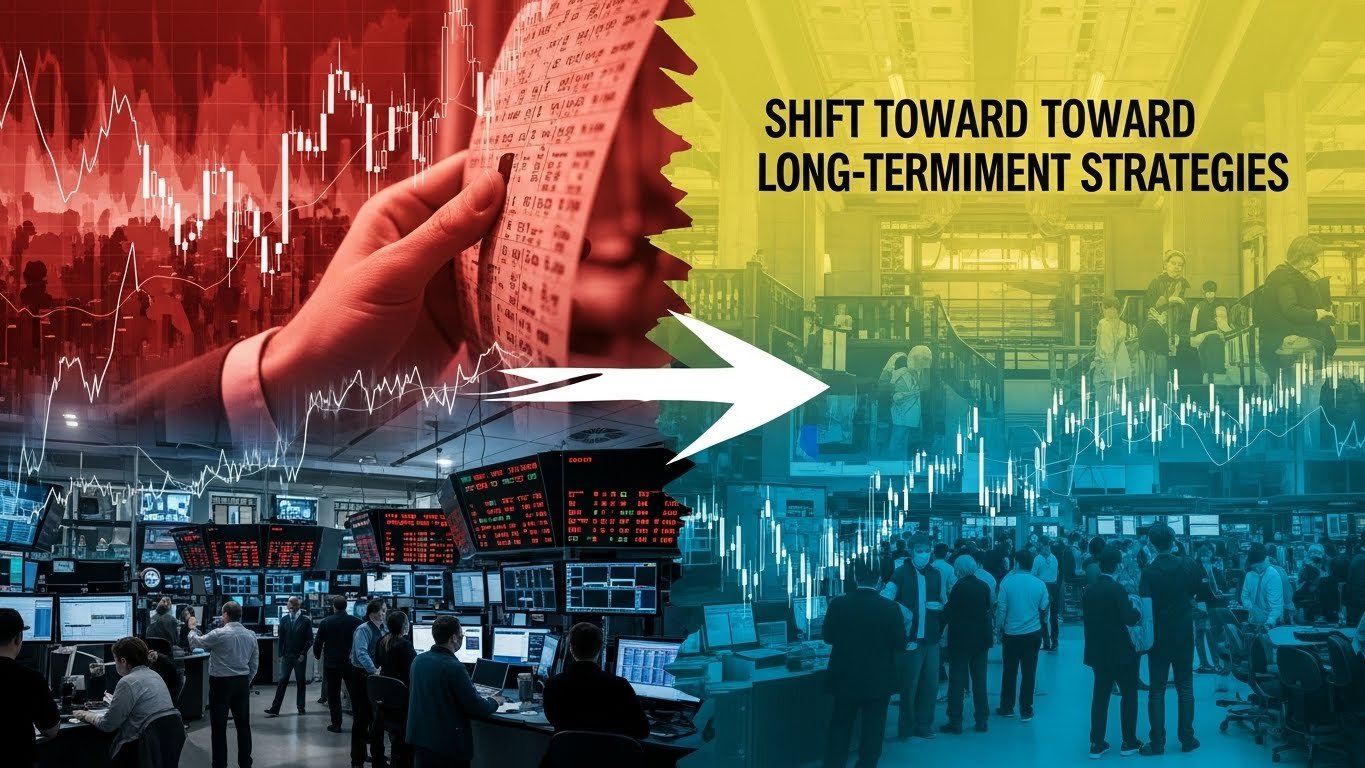
Shift toward long-term investment strategies
Emphasis on fundamentals and real utility
Following the crash, attention has returned to fundamentals. Investors are increasingly evaluating projects based on real-world use cases, developer activity, revenue models, and long-term viability. Crypto investors show caution by prioritizing assets that demonstrate resilience and practical value rather than relying solely on price momentum.
This shift favors established cryptocurrencies and well-developed blockchain platforms with active ecosystems. Tokens associated with decentralized finance infrastructure, layer-two scalability solutions, and enterprise adoption are receiving renewed interest. The focus is no longer on quick profits but on sustainable innovation.
Growing interest in dollar-cost averaging
Dollar-cost averaging has emerged as a preferred strategy among cautious investors. By investing fixed amounts at regular intervals, participants reduce the impact of volatility and avoid the pressure of timing the market. As crypto investors show caution, this approach provides psychological comfort and financial discipline.
Dollar-cost averaging aligns with a long-term mindset, allowing investors to accumulate assets gradually while mitigating downside risk. This strategy reflects a broader trend toward patience and consistency in crypto investing.
Institutional behavior reinforces caution
Institutions adopt risk-managed exposure
Institutional investors play a significant role in shaping market sentiment. After the crash, many institutions reassessed their crypto exposure, implementing stricter risk controls and governance frameworks. As institutions recalibrate, crypto investors show caution across the broader market.
Rather than exiting entirely, institutions are refining their strategies. They are favoring regulated products, custody solutions, and compliance-focused platforms. This approach signals a belief in the long-term potential of digital assets while acknowledging short-term volatility.
Influence on retail investor confidence
Institutional caution has a cascading effect on retail investors. When large funds reduce exposure or emphasize conservative positioning, individual investors often follow suit. This collective behavior reinforces market stability but also slows speculative momentum. In this environment, crypto investors show caution as they mirror institutional risk management practices.
Diversification as a core strategy
Expanding beyond single-asset exposure
The crash exposed the dangers of concentrated portfolios. Investors heavily invested in a single token or sector suffered outsized losses. In response, crypto investors show caution by diversifying across multiple assets, sectors, and even asset classes.
Diversification now includes a mix of cryptocurrencies, stable coins, and traditional assets such as equities or commodities. This balanced approach reduces dependency on any one market outcome and improves overall portfolio resilience.
Role of stable coins during volatility
Stable coins have become essential tools for cautious investors. During periods of extreme volatility, they provide a safe harbor without requiring a complete exit from the crypto ecosystem. As crypto investors show caution, stable coins are used to preserve capital, manage liquidity, and prepare for future opportunities. This behavior underscores the growing sophistication of market participants, who are using available instruments strategically rather than reacting emotionally.
Risk management takes center stage

Setting clear entry and exit rules
One of the most notable changes after the crash is the adoption of structured trading plans. Investors are defining clear entry points, exit targets, and stop-loss levels. This disciplined approach ensures that decisions are based on predefined criteria rather than emotions. As crypto investors show caution, structured risk management has become standard practice.
These rules help investors avoid catastrophic losses while maintaining exposure to potential upside. Over time, this discipline contributes to more stable market behavior.
Focus on capital preservation
Capital preservation has replaced aggressive growth as the primary objective for many participants. The crash demonstrated how quickly gains can evaporate, prompting investors to protect what remains. Crypto investors show caution by allocating only a portion of their capital to high-risk assets and maintaining reserves for unexpected events. This conservative stance does not signal a lack of confidence in crypto but rather a more mature approach to participation.
Regulatory awareness shapes new strategies
Anticipating regulatory developments
Regulatory uncertainty has long influenced crypto markets, but recent events have heightened awareness. Governments worldwide are exploring frameworks to oversee digital assets, exchanges, and stablecoins. As regulations evolve, crypto investors show caution by considering compliance risks and jurisdictional differences. Projects that proactively engage with regulators and demonstrate transparency are increasingly favored. This shift reflects a desire for stability and legitimacy within the ecosystem.
Impact on investment decisions
Regulatory clarity often determines which projects attract long-term investment. Investors are scrutinizing legal structures, governance models, and disclosure practices more closely than ever. In this environment, crypto investors show caution by avoiding assets that may face regulatory challenges or enforcement actions.
Opportunities emerging from cautious markets
Building during bear phases
Historically, bear markets have been periods of innovation and development. While prices may be depressed, builders continue to create infrastructure and applications. Crypto investors show caution, but they also recognize opportunities to support promising projects at lower valuations. This approach requires patience and conviction. Investors willing to endure short-term uncertainty may benefit from long-term growth as markets recover.
Selective optimism amid uncertainty
Caution does not equate to pessimism. Many investors remain optimistic about blockchain technology and its transformative potential. However, optimism is now tempered by realism. Crypto investors show caution while selectively allocating capital to opportunities that align with long-term trends such as decentralization, tokenization, and digital identity.
How market sentiment is evolving
Reduced hype, increased realism
The post-crash environment has significantly reduced hype-driven narratives. Investors are less influenced by social media trends and more focused on data-driven analysis. As crypto investors show caution, market sentiment has become more grounded and analytical. This shift may result in slower price movements but contributes to healthier market dynamics over time.
Gradual rebuilding of confidence
Confidence does not return overnight after a crash. Instead, it rebuilds gradually as markets stabilize and successful use cases emerge. Crypto investors show caution, but each period of stability reinforces trust in the ecosystem. Over time, this cautious confidence may lay the foundation for sustainable growth.
Conclusion
The recent crypto market crash has fundamentally reshaped investor behavior. No longer driven solely by speculation and rapid gains, the market is entering a phase defined by discipline, analysis, and long-term thinking. As crypto investors show caution, they are adopting strategies that emphasize risk management, diversification, and fundamental value.
This transformation reflects a maturing ecosystem where participants learn from past mistakes and adapt to evolving conditions. While volatility remains an inherent feature of cryptocurrencies, the growing emphasis on caution and strategy suggests a more resilient future. Investors who embrace this shift are better positioned to navigate uncertainty and capitalize on opportunities when the market eventually turns upward.
FAQs
Q: Why do crypto investors show caution after a market crash?
Crypto investors show caution after a crash because significant losses highlight the risks of volatility, leverage, and emotional decision-making, encouraging more disciplined strategies.
Q: Are cautious strategies less profitable in crypto markets?
Cautious strategies may reduce short-term gains, but they often improve long-term outcomes by preserving capital and reducing exposure to extreme losses.
Q: What strategies are popular as crypto investors show caution?
Popular strategies include dollar-cost averaging, diversification, reduced leverage, increased use of stablecoins, and a focus on fundamentally strong projects.
Q: Does caution mean investors are losing faith in crypto?
No, caution reflects maturity rather than loss of faith. Many investors remain optimistic about blockchain technology while adopting more sustainable approaches.
Q: How long will this cautious phase last in crypto markets?
The duration depends on macroeconomic conditions, regulatory clarity, and market recovery. However, the emphasis on caution is likely to influence investor behavior long-term.