




































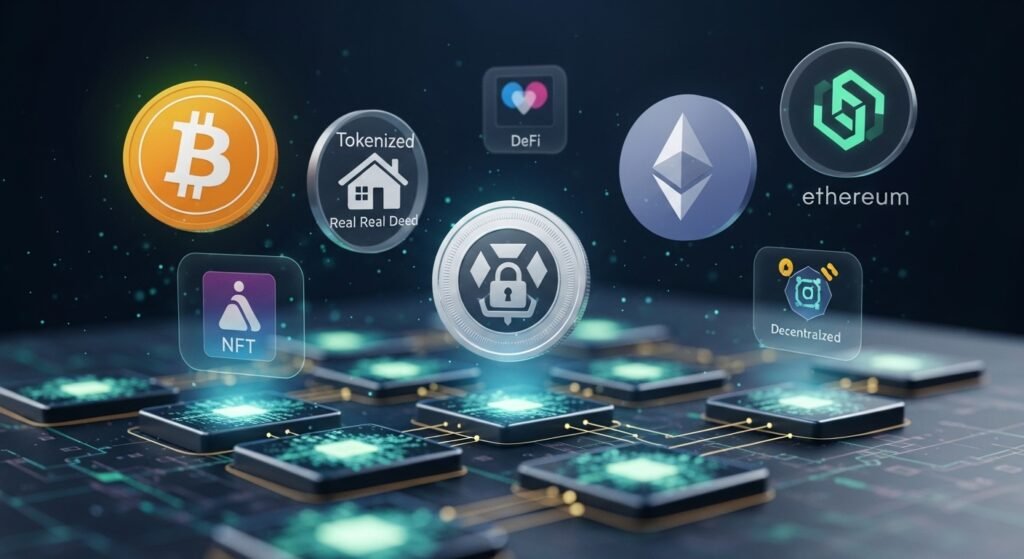
Over the past decade, blockchain and digital assets have evolved from niche technological experiments into transformative forces across finance, governance, supply chains, and social development. What began with Bitcoin as a decentralized alternative to traditional currency has matured into a broad ecosystem encompassing smart contracts, tokenized assets, decentralized finance, and digital identity systems. Today, governments, enterprises, startups, and nonprofits are exploring how this distributed ledger technology can address structural inefficiencies and unlock new forms of economic participation.
The conversation around blockchain is often dominated by price volatility and speculative trading. However, beneath the market cycles lies a deeper narrative: blockchain and digital assets can drive measurable social and economic impact. From expanding financial inclusion in underserved regions to increasing transparency in public spending, from improving cross-border payments to enabling tokenized ownership models, this technology is redefining how trust is established and maintained in the digital age.
This article explores in depth how blockchain and digital assets can make a positive impact across industries and communities. By examining real-world use cases, institutional adoption, and emerging innovations, we will see how this technology supports sustainable growth, operational efficiency, and inclusive prosperity.
The Foundation: Understanding Blockchain and Digital Assets
What Is Blockchain Technology?
At its core, blockchain is a distributed ledger system that records transactions across multiple nodes in a network. Unlike centralized databases, it does not rely on a single authority to validate or store information. Instead, consensus mechanisms ensure that transactions are verified and permanently recorded in an immutable structure.
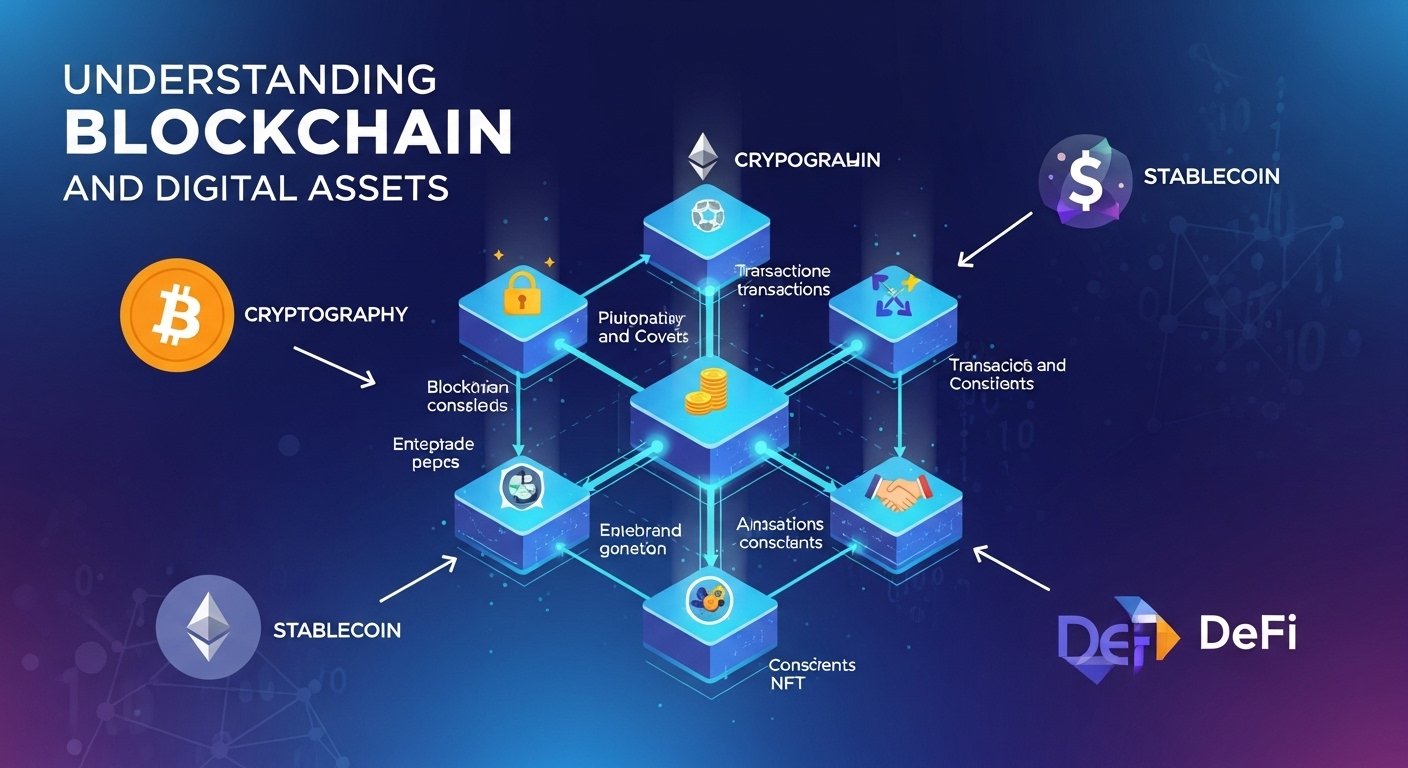
Blockchain technology is closely associated with platforms like Ethereum, which introduced programmable smart contracts. These self-executing agreements automatically enforce conditions coded into them, eliminating the need for intermediaries in many transactions. This innovation significantly expanded the practical applications of blockchain beyond digital currency.
Defining Digital Assets
Digital assets include cryptocurrencies, tokenized securities, stablecoins, and non-fungible tokens (NFTs). Assets such as Ethereum and Bitcoin function as decentralized stores of value or mediums of exchange. Meanwhile, tokenized assets represent real-world items—such as property, art, or equity—on a blockchain network.The convergence of blockchain and digital assets creates an infrastructure where value can be transferred securely, transparently, and efficiently across borders and institutions.
Financial Inclusion and Economic Empowerment
Banking the Unbanked
One of the most profound impacts of blockchain and digital assets lies in financial inclusion. According to global development estimates, billions of people lack access to traditional banking services. Without bank accounts, individuals struggle to save securely, obtain credit, or participate in global commerce.
Blockchain-based wallets allow users to store and transfer value using only a smartphone and internet connection. This bypasses traditional gatekeepers and reduces barriers to entry. In regions with unstable currencies or limited financial infrastructure, digital assets provide alternative tools for preserving purchasing power and conducting transactions.
Affordable Cross-Border Payments
Remittances are a lifeline for many developing economies, yet traditional cross-border transfers often involve high fees and delays. Blockchain-powered payment networks reduce intermediaries and processing times, making international transfers faster and cheaper.Projects like Ripple aim to streamline global payments infrastructure. By leveraging distributed ledger systems, remittance costs can drop significantly, ensuring that more funds reach families and small businesses.
Transparency and Accountability in Governance
Reducing Corruption Through Immutable Records
Blockchain’s immutability makes it a powerful tool for enhancing public sector transparency. Government agencies can use blockchain-based systems to record procurement contracts, land registries, and public expenditures in tamper-resistant formats.When transactions are publicly verifiable, the opportunity for manipulation or fraud decreases. This fosters trust between citizens and institutions while improving accountability.
Secure Digital Identity Systems
Digital identity solutions built on blockchain can empower individuals by giving them control over their personal data. Instead of relying on centralized databases vulnerable to breaches, citizens can manage cryptographically secured credentials.
This approach supports secure voting systems, efficient public services, and streamlined access to healthcare and education. By integrating digital identity with blockchain infrastructure, governments can modernize administrative frameworks while protecting privacy.
Supply Chain Efficiency and Ethical Sourcing
Real-Time Traceability
Supply chain management is another domain where blockchain and digital assets demonstrate tangible impact. Traditional supply chains often suffer from information silos, limited transparency, and inefficient verification processes.
Blockchain enables real-time tracking of goods from origin to destination. For example, retailers can verify whether agricultural products meet sustainability standards or confirm the authenticity of luxury items. Immutable records improve quality control and reduce counterfeit risks.
Supporting Ethical Practices
Consumers increasingly demand ethically sourced products. Blockchain-based traceability systems provide proof of origin and compliance with environmental or labor standards. By recording every step of production, companies can demonstrate accountability and strengthen brand trust.This transparency encourages responsible business practices and aligns economic incentives with social responsibility.
Decentralized Finance (DeFi) and Open Innovation
Expanding Access to Financial Services
Decentralized finance, commonly referred to as DeFi, uses smart contracts to replicate traditional financial services without centralized intermediaries. Through DeFi protocols, users can lend, borrow, trade, and earn yield on digital assets.Platforms built on networks like Ethereum allow individuals to access global liquidity pools without relying on traditional banks. This democratizes finance and reduces systemic barriers.
Programmable Financial Infrastructure
Smart contracts introduce programmable logic into financial transactions. This enables automated compliance, escrow services, and conditional payments. As a result, operational efficiency improves while costs decrease.The programmable nature of blockchain infrastructure fosters rapid innovation, allowing developers to experiment with new financial models that prioritize inclusivity and transparency.
Tokenization of Real-World Assets
Unlocking Liquidity
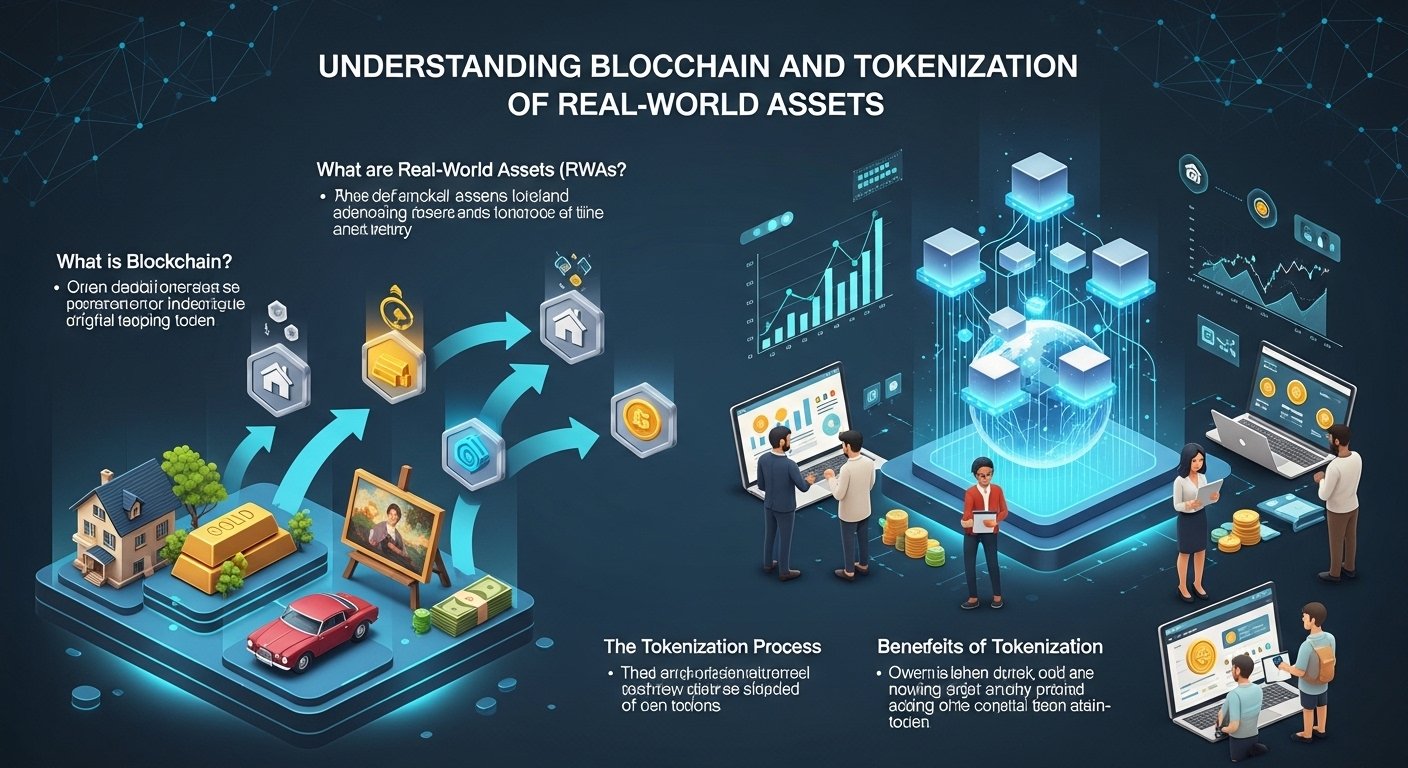
Tokenization transforms physical or financial assets into digital tokens on a blockchain. Real estate, commodities, and equity shares can be fractionalized, enabling broader participation in investment opportunities.By lowering minimum investment thresholds, tokenization expands access to wealth-building assets. This contributes to economic inclusion and diversifies investment portfolios.
Improving Market Efficiency
Digital assets representing real-world value can be traded around the clock, eliminating geographic constraints. Settlement times are reduced, and intermediaries are minimized. These efficiencies lower transaction costs and enhance capital mobility.Tokenized markets illustrate how blockchain and digital assets can modernize legacy systems while preserving regulatory oversight.
Environmental and Social Impact Initiatives
Carbon Credit Tokenization
Blockchain can support environmental sustainability by tracking and verifying carbon credits. Tokenized carbon offsets ensure transparency and prevent double counting. Organizations can monitor emissions reduction efforts more effectively.By combining digital assets with environmental accountability, companies align sustainability goals with measurable outcomes.
Humanitarian Aid Distribution
In crisis zones, blockchain-based payment systems ensure aid reaches intended recipients without diversion. Digital wallets provide secure distribution channels for food vouchers or cash assistance.International organizations increasingly explore distributed ledger systems to enhance efficiency and minimize corruption in relief programs.
Enterprise Adoption and Institutional Trust
Corporate Integration
Major financial institutions and technology firms are integrating blockchain solutions into their operations. Enterprise-grade platforms focus on scalability, compliance, and interoperability.By adopting distributed ledger systems, corporations reduce reconciliation errors, improve audit trails, and streamline cross-border transactions.
Regulatory Evolution
Governments worldwide are developing frameworks to regulate digital assets responsibly. Clear regulatory guidance enhances investor protection while fostering innovation. As policy environments mature, institutional confidence in blockchain ecosystems grows.Balanced regulation ensures that blockchain and digital assets operate within secure, transparent, and accountable boundaries.
Education, Employment, and Digital Literacy
Creating New Career Pathways
The blockchain industry has generated employment opportunities in software development, cybersecurity, compliance, and digital asset management. As adoption expands, demand for skilled professionals continues to grow.Educational institutions now offer courses on distributed ledger technology, smart contract programming, and decentralized systems. This contributes to workforce development and technological literacy.
Promoting Digital Empowerment
Blockchain-based platforms encourage individuals to engage with digital financial tools. By learning how to manage digital wallets and interact with decentralized applications, users develop skills relevant to the modern economy.Digital empowerment strengthens economic resilience and promotes self-sovereignty in financial decision-making.
Challenges and Responsible Implementation
Addressing Volatility and Risk
Despite its potential, blockchain and digital assets face challenges, including market volatility and cybersecurity risks. Responsible implementation requires robust risk management, regulatory compliance, and investor education.Stablecoins and asset-backed tokens attempt to mitigate volatility by linking value to external reserves. Meanwhile, improved security protocols protect digital wallets and exchanges from exploitation.
Energy Efficiency and Sustainability
Early blockchain networks faced criticism for energy-intensive consensus mechanisms. However, innovations such as proof-of-stake significantly reduce environmental impact. Continuous research and development aim to optimize scalability and sustainability.Balancing technological advancement with ecological responsibility remains central to long-term adoption.
The Future of Blockchain and Digital Assets
Blockchain and digital assets are transitioning from experimental technologies to foundational infrastructure for the digital economy. Central banks are exploring digital currencies, enterprises are tokenizing assets, and decentralized applications are reshaping financial services.
As interoperability improves and user interfaces become more accessible, blockchain systems will integrate seamlessly into everyday transactions. The positive impact will extend beyond finance into governance, healthcare, education, and environmental stewardship.The future lies not in speculation but in practical utility. When deployed responsibly, blockchain and digital assets can strengthen trust, enhance efficiency, and promote inclusive growth on a global scale.
Conclusion
The transformative potential of blockchain and digital assets extends far beyond cryptocurrency trading. By enabling financial inclusion, enhancing transparency and accountability, modernizing supply chain management, and fostering open innovation, this technology addresses structural challenges across multiple sectors.
From decentralized finance platforms to tokenized real-world assets, blockchain creates new pathways for economic participation and sustainable development. While challenges remain, responsible governance and technological refinement continue to strengthen the ecosystem.As adoption accelerates, blockchain and digital assets are poised to become essential pillars of the global digital economy—driving positive impact through transparency, efficiency, and empowerment.
FAQs
Q: How do blockchain and digital assets promote financial inclusion?
Blockchain-based wallets and decentralized platforms allow individuals without traditional bank accounts to store, transfer, and manage value securely, expanding access to global financial systems.
Q: Are blockchain systems secure?
Blockchain networks use cryptographic mechanisms and consensus protocols to ensure data integrity. While no system is entirely risk-free, proper implementation and security practices significantly reduce vulnerabilities.
Q: What industries benefit most from blockchain technology?
Finance, supply chain management, healthcare, governance, and environmental initiatives are among the sectors experiencing significant positive impact from blockchain adoption.
Q: Can digital assets reduce transaction costs?
Yes. By minimizing intermediaries and automating processes through smart contracts, blockchain systems often lower fees and accelerate settlement times.
Q: Is blockchain environmentally sustainable?
Newer consensus mechanisms, such as proof-of-stake, consume significantly less energy than earlier models. Ongoing innovation continues to improve sustainability while maintaining network security.
Also More: Figure Technologies Data Breach Shakes Blockchain Fintech