








































On-chain blockchain infrastructure is entering a new phase—one where the biggest bottleneck is no longer simply throughput or gas costs, but the day-to-day complexity of using Web3. Even experienced users still juggle wallets, networks, bridges, signatures, permissions, and protocol-specific interfaces. For newcomers, that complexity can feel like a wall. The result is a familiar pattern: promising dApps, strong communities, and real utility that still struggles to reach mainstream adoption because the user journey is too fragmented.
That’s why conversations around Okratech Token and Pilot Agent are interesting. Okratech Token positions itself as a utility token powering a broader ecosystem of connected products, including a decentralized freelancing concept (OrtJob) and a suite of web tools (OrtWeb3 Tools), all designed to work together through the ORT token. Pilot, on the other hand, frames itself as an AI Agent Control Layer for on-chain transactions and trading—an abstraction layer that simplifies wallets, chains, and protocols into a conversational or “agentic” interface.
Publicly verifiable details about a formal “Okratech Token partners with Pilot Agent” announcement are limited in widely indexed sources at the time of writing, so this article focuses on what such a partnership can realistically mean: how an ecosystem token like Okratech Token could integrate with an agent control layer like Pilot Agent to improve on-chain infrastructure, reduce friction, and create smoother, safer workflows for both users and developers. In other words, we’ll treat the partnership as a practical blueprint—grounded in what each project says it does—and map out how it could advance on-chain blockchain infrastructure in a way that’s measurable, not hype-driven.
The on-chain infrastructure problem: fragmentation beats performance
For years, the Web3 industry marketed performance: faster block times, lower fees, more scalable execution environments. Those wins matter, but they don’t automatically create better products. Most users don’t wake up thinking about “finality.” They care about whether they can complete a task quickly, safely, and confidently.
The infrastructure challenge is that Web3 is still a patchwork of steps. A simple journey—buying a token, bridging it, staking it, and tracking rewards—often spans multiple apps and manual actions. Each action increases failure risk: wrong network, wrong contract, wrong approval, wrong slippage, or a signature request the user doesn’t understand. When a transaction fails, the user rarely knows why. When it succeeds, the user may still feel uncertain about what they just signed. 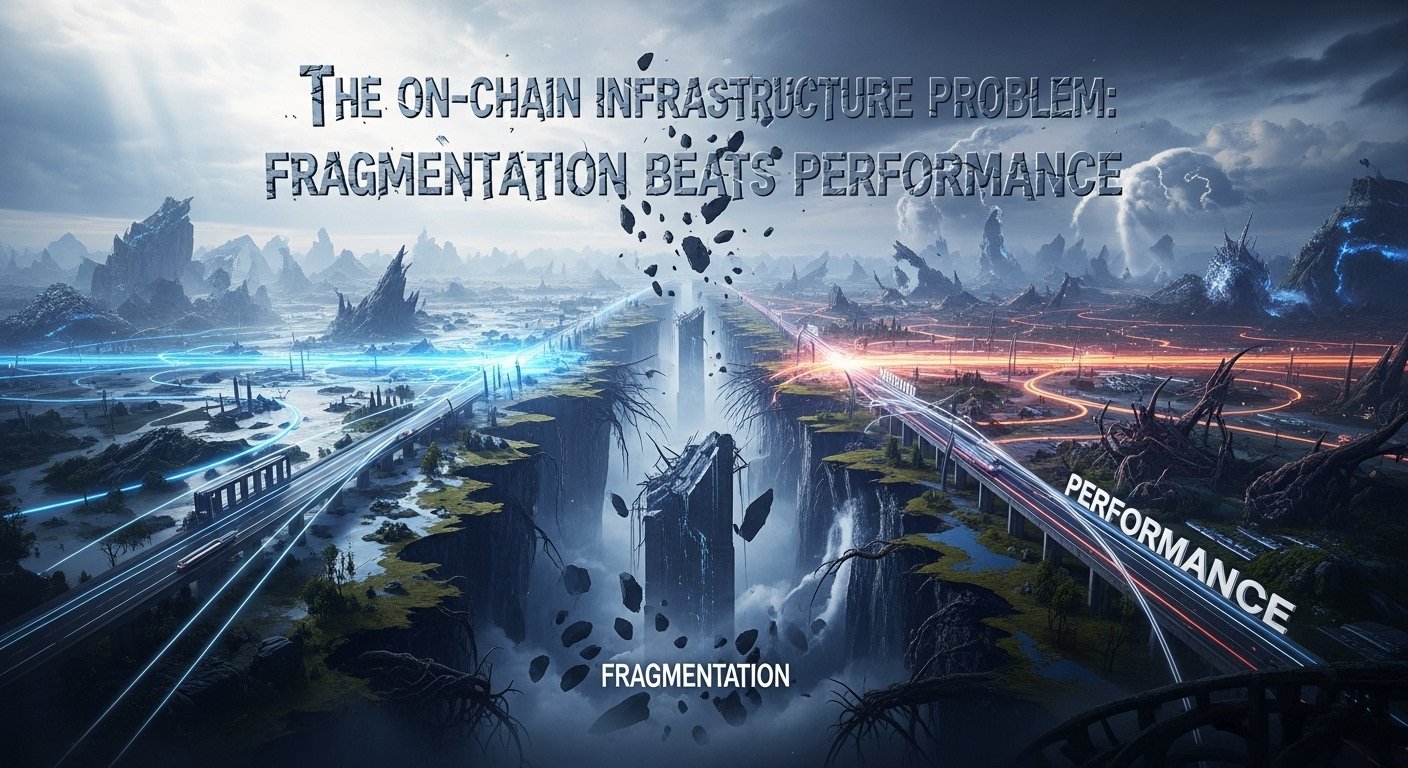
This is exactly where Okratech Token and an agent layer like Pilot Agent can align: one provides a tokenized ecosystem and product surface area, the other provides workflow simplification and execution assistance. If the aim is to advance on-chain blockchain infrastructure, the win is not only faster transactions—it’s fewer mistakes, fewer abandoned flows, and more consistent user outcomes.
What is Okratech Token and what does its ecosystem try to solve?
Okratech Token (ORT) is commonly described as a BNB Chain–based token connected to a multi-product ecosystem. On the ecosystem side, Okratech’s public materials highlight interconnected offerings such as OrtJob and OrtWeb3 Tools—tools meant to bridge practical Web2/Web3 needs while routing utility through ORT. The broader idea is familiar in crypto: instead of a token that exists only for speculation, Okratech Token aims to be a functional asset within a product network.
Okratech Token as “utility glue” for multiple products
The most important infrastructure concept here is not the token itself—it’s the way Okratech Token can unify user activity across products. If a token is used for access, rewards, payments, governance, or fee settlement, it becomes a consistent layer across otherwise separate experiences. That’s a meaningful piece of on-chain infrastructure because it standardizes identity, incentives, and economic flows across an ecosystem.
Why ecosystem tokens need better execution layers
But ecosystem tokens often hit a wall: they can build a strong product set, yet still lose users during transactions and onboarding. Every added product expands the action graph: more approvals, more transfers, more bridging, and more confusion. That’s where an agent layer can change the game—by making the token’s utility easier to access and safer to use.
What is Pilot Agent and why “agent control layer” is a big deal?
Pilot describes itself as an AI Agent Control Layer built for on-chain transactions and trading, designed to abstract wallets, chains, and protocols into a single conversational interface. In practical terms, this means the agent layer can coordinate tasks that usually require multiple steps across multiple dApps.
Wallet abstraction and “intent-based” execution
A core promise of agent layers is wallet abstraction: the user expresses an intent (“swap X for Y,” “move funds to chain Z,” “stake this token”), and the system handles execution details while keeping the user in control of approvals and signatures. Pilot’s positioning emphasizes simplifying fragmented infrastructure so users and protocols can interact through a unified agent layer.
Why AI agents matter for on-chain infrastructure
AI agents aren’t magic, but they are good at orchestration: selecting the right steps, validating preconditions, and translating complexity into plain language. Research literature also increasingly discusses the intersection of AI agents and blockchain for automation, security, and scalability in multi-step environments. If an agent layer can reduce errors, clarify permissions, and streamline execution, it becomes a real contributor to on-chain blockchain infrastructure—not just a UI gimmick.
How Okratech Token and Pilot Agent could fit together
A practical partnership concept between Okratech Token and Pilot Agent would likely focus on one outcome: making ORT-powered workflows easier to complete end-to-end. That doesn’t require reinventing chains or launching a new L1. It requires reducing friction in the transactions users already want to do.
A shared goal: fewer steps between user intent and on-chain completion
If Okratech Token powers access, rewards, and payments inside an ecosystem, then Pilot Agent can act as the execution assistant that guides and completes those actions. In a well-designed integration, users could move from “What do I do?” to “It’s done” without opening five tabs and guessing which button to click.
Where the integration becomes “infrastructure,” not marketing
The word “infrastructure” is often overused in crypto. Here’s a clean way to define it: if the integration reduces time-to-completion, reduces errors, improves security clarity, and lowers cognitive load across multiple actions, it qualifies as on-chain infrastructure improvement.
Key infrastructure upgrades a partnership could enable
Streamlined onboarding for the Okratech Token ecosystem
Onboarding is where ecosystems win or lose. Even if Okratech Token has a valuable ecosystem, users will bounce if the first 15 minutes feel confusing. A Pilot Agent integration could turn onboarding into a guided flow.
Guided wallet setup and network selection
Instead of telling users to “add BNB Chain, import token, and fund wallet,” an agent layer can walk them through each step, confirm the network, and reduce wrong-chain mistakes. Since Okratech Token is commonly represented as a BNB Chain token, network accuracy matters early.
Plain-language explanations of approvals and signatures
Approvals are a major source of fear. Users see a signature request and assume the worst. A strong agent layer can translate what the approval does, what permissions are being granted, and how to revoke them later. That’s security UX—a core part of modern on-chain blockchain infrastructure.
Faster ORT utility access across Okratech Token products
The more products an ecosystem offers, the more important it becomes to unify access. Okratech Token highlights multiple products connected by ORT. An agent layer can help those products feel like one system rather than separate islands.
One interface for multiple ORT-powered actions
Imagine a user wants to acquire ORT, pay for a tool, and then stake or hold for benefits. Without an agent, that can become a multi-app puzzle. With Pilot Agent, the user can express the goal, and the agent can guide execution across steps—while the user retains final approval control.
Context-aware routing inside the ecosystem
A mature integration would recognize where the user is in the Okratech Token journey and propose relevant actions: “You have ORT; would you like to access OrtWeb3 Tools?” or “You’re about to pay; confirm recipient and amount.” This is not about upsells—it’s about preventing mistakes and reducing confusion.
Better on-chain execution for payments, rewards, and settlements
Many ecosystems want the token to be used for real activity: payments, service access, or contributor rewards. Okratech Token leans into “ecosystem utility” messaging in public descriptions.
Automated multi-step payments with safeguards
On-chain payments often involve token swaps, network moves, and final transfer. An agent layer can bundle these steps into a single guided process. The key is guardrails: previewing the full path, estimating costs, and asking for confirmation at the right time.
Transparent transaction receipts and audit trails
One advantage of blockchain is verifiability, but most users don’t read explorers. Agent layers can generate human-readable receipts: what happened, what contracts were involved, and what the final state is. That improves trust in Okratech Token transactions and strengthens the “infrastructure” claim through clarity.
Cross-chain reach without overwhelming users
Even if ORT activity starts primarily on one chain, users increasingly expect cross-chain convenience. Pilot’s positioning includes abstracting chain and protocol complexity into a single layer.
Agent-assisted bridging and chain switching
Bridging is one of the most error-prone tasks in Web3. An agent layer can reduce mistakes by checking addresses, warning about scam routes, and confirming destination networks before execution.
Consistent ORT experiences across networks
If Okratech Token expands its utility across chains over time, an agent layer can keep the experience consistent: users shouldn’t need to learn different bridging tools or swap UIs. They should just complete the intent safely.
Developer benefits: standardized integrations and fewer support tickets
A big part of advancing on-chain blockchain infrastructure is improving developer experience. If building ORT-powered features requires fewer custom steps, developers ship faster and support less.
Cleaner transaction flows for dApps using Okratech Token
When dApps integrate Okratech Token, they typically build custom transaction logic and hope users don’t get stuck. An agent layer can provide standardized patterns for swaps, approvals, and transfers. That reduces edge-case bugs and improves completion rates.
More reliable user outcomes means higher retention
If users succeed more often, ecosystems grow faster. A partnership narrative between Okratech Token and Pilot Agent is compelling because it connects token utility to successful execution—turning “features” into “finished tasks.”
Security and trust: the non-negotiables of on-chain infrastructure
Whenever automation enters on-chain workflows, security becomes the main story. Agent layers should not take custody or hide critical details. They should expose details more clearly.
Safer defaults, clearer permissions, smarter warnings
A strong integration should prioritize smart contract transparency, permission minimization, and warnings about risky actions. Even basic improvements—like explaining spender approvals—can dramatically reduce harm.
The role of monitoring and external signals
Okratech appears on security monitoring and project insight platforms, which reflects a broader industry expectation: ecosystems must treat security posture as part of their infrastructure story. While monitoring alone doesn’t guarantee safety, it signals that users and partners increasingly demand visibility.
What “advancing on-chain blockchain infrastructure” could look like in practice
If you strip away buzzwords, a meaningful advancement would be measurable improvements across user journeys involving Okratech Token and Pilot Agent.A realistic roadmap might start with agent-assisted onboarding and ORT acquisition flows, then expand into ecosystem actions like paying for tools or services, followed by advanced automation such as recurring actions or conditional workflows. Over time, better analytics and feedback loops would help optimize flows—identifying where users drop, what fails most often, and how to reduce friction.The key is focus: not “AI everywhere,” but AI where it reduces complexity and improves user safety.
Conclusion
The most valuable crypto ecosystems aren’t the ones with the loudest announcements—they’re the ones where users can consistently complete real tasks without fear. Okratech Token is positioned around an ecosystem of interconnected products that route utility through ORT. Pilot Agent is positioned as an AI agent control layer that abstracts wallets, chains, and protocol complexity into a single interaction layer.
If Okratech Token partners with Pilot Agent in a concrete, user-first way, the most meaningful impact would be simple: fewer steps, fewer mistakes, clearer decisions, and smoother end-to-end workflows. That is what it means to advance on-chain blockchain infrastructure—not by adding more complexity, but by removing it.
FAQs
Q: What is Okratech Token (ORT) used for?
Okratech Token (ORT) is presented as the utility token behind a broader ecosystem of products, including services like OrtJob and OrtWeb3 Tools, designed to be interconnected through ORT.
Q: What is Pilot Agent and how does it work?
Pilot describes itself as an AI Agent Control Layer for on-chain transactions and trading, focused on abstracting wallets, chains, and protocols into a simpler interface where users can execute complex actions with guided, intent-based flows.
Q: How could Pilot Agent improve the Okratech Token user experience?
A Pilot Agent integration could reduce friction by guiding users through wallet setup, network selection, token approvals, swaps, and ecosystem actions—making Okratech Token utility easier to access while emphasizing clarity and safety.
Q: Does an AI agent control layer mean giving up custody of funds?
Not necessarily. Many agent-layer designs aim to keep the user in control of approvals and signatures. The safest implementations focus on wallet abstraction and workflow guidance without taking custody, while making transaction details clearer.
Q: What should users watch for in any Okratech Token–Pilot Agent integration?
Users should look for transparent permission prompts, clear explanations of approvals, visible transaction previews, and straightforward ways to verify outcomes on-chain. Those features are the difference between marketing automation and real on-chain infrastructure improvement.