









































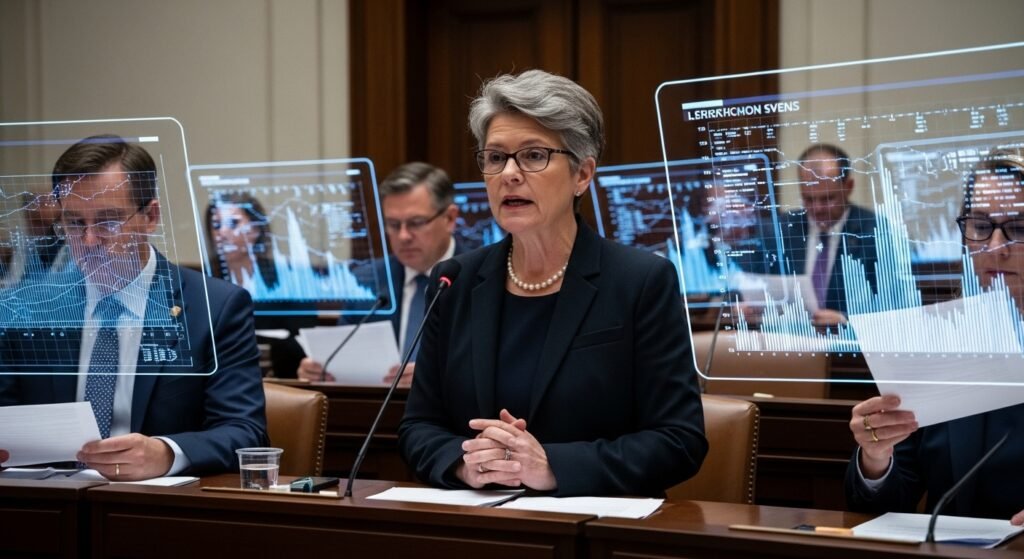
The global digital finance landscape is entering a new regulatory chapter as the Senate Committee approves the Virtual Assets Bill to regulate the crypto market. This legislative move reflects mounting pressure on governments worldwide to establish comprehensive oversight of cryptocurrencies, blockchain-based tokens, and digital Senate Committee Advances Virtual asset service providers. With the crypto market evolving from a niche technological experiment into a trillion-dollar ecosystem, policymakers are seeking to strike a balance between innovation and accountability.
The approval of the Virtual Assets Bill by the Senate Committee marks a pivotal step toward institutionalizing regulatory clarity for crypto exchanges, wallet providers, token issuers, and decentralized finance platforms. As digital assets become increasingly integrated into mainstream finance, the absence of structured governance frameworks has raised concerns about investor protection, financial stability, and illicit activities. This new bill seeks to address those concerns while promoting sustainable growth in the crypto sector.
In this comprehensive analysis, we will explore the implications of the Senate Committee’s decision, examine the objectives of the Virtual Assets Bill, assess its impact on the crypto market, and evaluate what it means for investors, businesses, and regulators alike.
Understanding the Virtual Assets Bill
The Virtual Assets Bill represents a structured attempt to regulate the rapidly expanding digital asset ecosystem. At its core, the legislation establishes a legal definition for virtual assets, outlines compliance obligations for service providers, and creates supervisory mechanisms to oversee market activities.
Defining Virtual Assets in Legal Terms
One of the most significant aspects of the Virtual Assets Bill is the formal classification of digital tokens and cryptocurrencies as recognized financial instruments under regulatory law. By defining virtual assets in precise legal terminology, lawmakers aim to eliminate ambiguity that has long plagued the crypto market.

The bill distinguishes between various categories of digital assets, including payment tokens, utility tokens, and security tokens. This classification is essential because each category may fall under different regulatory requirements. For example, tokens functioning as investment contracts may be subject to securities regulations, while stablecoins might require reserve transparency and liquidity standards.
Clear definitions help ensure that both regulators and industry participants operate within a consistent framework. Without such clarity, enforcement becomes fragmented, leading to uncertainty that discourages institutional participation.
Licensing and Registration Requirements
A central pillar of the Virtual Assets Bill is the introduction of mandatory licensing for virtual asset service providers. Crypto exchanges, custodial wallet providers, and brokerage platforms will need to obtain regulatory approval before operating legally.
This licensing framework includes compliance obligations such as Know Your Customer (KYC) procedures, Anti-Money Laundering (AML) controls, cybersecurity protocols, and risk management systems. By enforcing these standards, lawmakers aim to reduce fraud, market manipulation, and financial crime within the crypto market.The Senate Committee’s approval signals that authorities are serious about integrating digital asset platforms into the formal financial system rather than allowing them to operate in regulatory gray zones.
Why the Senate Committee’s Approval Matters
When a Senate Committee approves a bill, it signals legislative momentum and increases the likelihood of full parliamentary passage. In the case of the Virtual Assets Bill, this development is especially significant because it reflects bipartisan acknowledgment of the need for crypto regulation.
Responding to Market Volatility and Scandals
Over the past few years, the crypto market has experienced extreme volatility, high-profile exchange collapses, and systemic risks associated with unregulated platforms. These events have prompted lawmakers to accelerate discussions around digital asset oversight.
The approval of the Virtual Assets Bill demonstrates a proactive approach aimed at preventing future crises. By establishing regulatory guardrails, policymakers seek to mitigate risks without stifling technological innovation.
Strengthening Investor Confidence
Investor confidence is closely tied to regulatory certainty. Institutional investors, including asset managers and hedge funds, are often hesitant to enter markets lacking formal oversight. With the Senate Committee advancing the Virtual Assets Bill, a foundation is being laid for improved transparency and accountability.
Greater confidence could attract long-term capital inflows, reduce speculative excess, and stabilize market dynamics. In this sense, regulation is not merely restrictive; it can serve as a catalyst for maturation within the crypto ecosystem.
Impact on the Crypto Market
The approval of the Virtual Assets Bill is expected to have immediate and long-term effects on the crypto market. While some market participants fear tighter compliance burdens, others see regulation as a necessary step toward legitimacy.
Short-Term Market Reactions
In the short term, regulatory announcements often trigger volatility. Traders may interpret stricter compliance requirements as barriers to entry or as signals of increased scrutiny. However, markets also respond positively to clarity, particularly when uncertainty has been a persistent concern.The crypto market’s reaction will likely depend on the perceived strictness of implementation and the timeline for enforcement.
Long-Term Structural Changes
In the long term, the Virtual Assets Bill could fundamentally reshape how crypto businesses operate. Exchanges may need to upgrade compliance infrastructure, implement advanced monitoring systems, and maintain transparent financial disclosures.
These requirements may increase operational costs, potentially leading to consolidation within the industry. Smaller platforms unable to meet regulatory standards might exit the market, while well-capitalized firms could expand their dominance.Ultimately, this structural shift could enhance the overall resilience of the crypto market.
Regulatory Oversight and Enforcement Mechanisms

The Virtual Assets Bill does not merely outline principles; it establishes enforcement authorities tasked with supervision. Regulatory bodies will have the power to issue licenses, conduct audits, impose fines, and revoke operating permissions.
Compliance Monitoring
Continuous compliance monitoring ensures that virtual asset service providers adhere to established standards. This includes transaction reporting, suspicious activity monitoring, and cybersecurity audits.The Senate Committee’s approval suggests a commitment to creating a robust supervisory environment rather than symbolic legislation.
Penalties and Accountability
Non-compliance under the Virtual Assets Bill may result in significant penalties, including financial fines and potential criminal liability. Clear enforcement provisions serve as deterrents against misconduct.By integrating digital asset regulation into existing financial oversight structures, authorities aim to prevent systemic risks from spilling over into the broader economy.
Balancing Innovation and Regulation
One of the most debated aspects of crypto regulation is the balance between fostering innovation and ensuring consumer protection. The Senate Committee appears to have considered this balance while advancing the Virtual Assets Bill.
Encouraging Responsible Innovation
Rather than banning cryptocurrencies, the bill acknowledges their economic significance. By establishing compliance standards, lawmakers aim to create a predictable environment where innovation can flourish responsibly.Clear guidelines may encourage blockchain startups to operate transparently and attract venture capital funding.
Avoiding Overregulation
Excessive regulation could drive crypto businesses offshore to more permissive jurisdictions. Policymakers must therefore calibrate requirements to maintain competitiveness while protecting investors.The Virtual Assets Bill attempts to navigate this delicate equilibrium, signaling that regulation need not equate to hostility toward technological advancement.
Implications for Investors and Businesses
The Senate Committee’s approval of the Virtual Assets Bill has practical implications for both retail investors and institutional stakeholders.
For Retail Investors
Retail participants may benefit from enhanced consumer protection measures. Transparent disclosures, segregated customer funds, and standardized reporting could reduce the risk of losses due to mismanagement or fraud.Additionally, regulatory oversight may increase confidence among individuals who were previously skeptical of the crypto market’s legitimacy.
For Institutional Players
Institutional investors often require regulatory clarity before allocating capital to emerging asset classes. With the Virtual Assets Bill moving forward, pension funds, insurance companies, and banks may feel more comfortable exploring crypto exposure.This influx of institutional capital could contribute to market stabilization and long-term growth.
Global Context of Crypto Regulation
The Senate Committee’s action aligns with broader international trends. Countries around the world are drafting and implementing crypto regulatory frameworks.For example, the European Union introduced comprehensive digital asset rules under the Markets in Crypto-Assets (MiCA) framework, while regulators in the United States continue to refine oversight policies. Similarly, jurisdictions such as Singapore have implemented licensing regimes for digital asset service providers.This global convergence suggests that the regulation of virtual assets is becoming an international priority rather than an isolated initiative.
Economic and Financial Stability Considerations
Regulating the crypto market is not solely about consumer protection; it is also about safeguarding macroeconomic stability. As digital assets become interconnected with traditional finance, systemic risks increase.
The Virtual Assets Bill aims to ensure that crypto platforms maintain adequate liquidity, risk controls, and operational resilience. By integrating crypto oversight into financial regulatory systems, authorities can better monitor potential contagion risks.Financial stability considerations are particularly relevant during periods of economic stress when volatile asset classes can amplify systemic shocks.
Future Outlook for the Virtual Assets Bill
While Senate Committee approval represents a critical milestone, the legislative process is not yet complete. The bill must pass additional readings and receive final approval before becoming law.However, the trajectory appears clear: digital asset regulation is moving from conceptual discussion to formal implementation.
Industry stakeholders are now preparing for compliance transitions, anticipating operational adjustments and strategic recalibrations. Over time, the Virtual Assets Bill may serve as a template for other jurisdictions seeking to regulate the crypto market.
Conclusion
The Senate Committee’s approval of the Virtual Assets Bill marks a transformative moment for the crypto market. By introducing licensing requirements, compliance standards, and enforcement mechanisms, lawmakers are seeking to institutionalize digital asset oversight without suppressing innovation.
This regulatory advancement reflects growing recognition that cryptocurrencies and blockchain technologies are integral components of modern finance. Rather than resisting change, policymakers are constructing frameworks to manage it responsibly.
If implemented effectively, the Virtual Assets Bill could strengthen investor confidence, attract institutional capital, and enhance financial stability. While challenges remain in balancing regulation with innovation, the direction is unmistakable: the crypto market is entering a more structured and accountable era.
FAQs
Q: What is the main objective of the Virtual Assets Bill?
The primary objective is to regulate the crypto market by establishing legal definitions, licensing requirements, compliance standards, and enforcement mechanisms for digital asset service providers.
Q: How does the Senate Committee approval impact the bill’s progress?
Senate Committee approval significantly increases the likelihood of full legislative passage, signaling political support and advancing the bill to the next stage of the lawmaking process.
Q: Will the Virtual Assets Bill affect retail crypto investors?
Yes, retail investors may benefit from enhanced consumer protections, including transparency requirements and safeguards against fraud and mismanagement.
Q: Could stricter regulation harm the crypto market?
While increased compliance obligations may raise operational costs, regulatory clarity can also attract institutional investment and improve market stability over the long term.
Q: When will the Virtual Assets Bill become law?
The bill must complete the full legislative process, including parliamentary approval and executive assent, before it becomes legally binding. The timeline depends on procedural and political factors.
Also More: U.S. Senate Advances Crypto Market Structure Bill What’s Next?